How to grow Camellias in Sydney
Learn how to plant and grow your own camellias at home with expert advice from a Botanic Gardens of Sydney horticulturist.
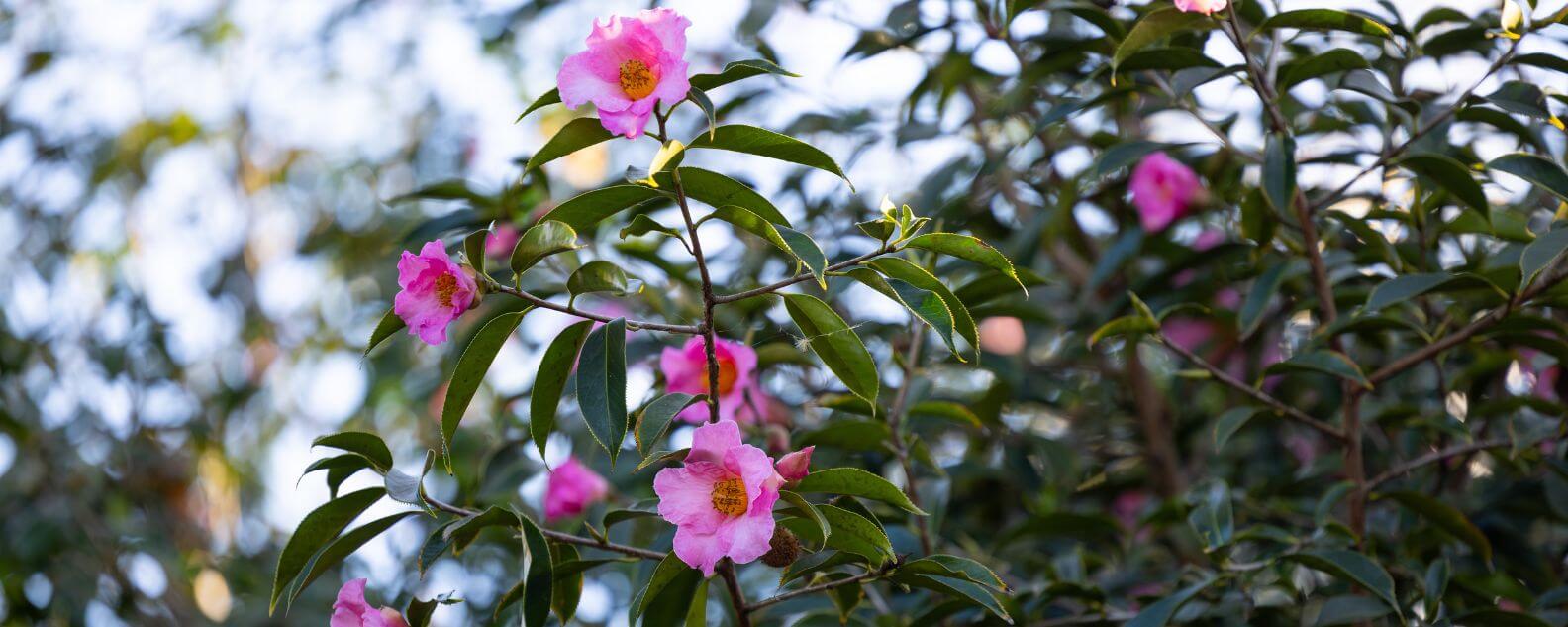
The queen of the winter flowers is in bloom at the Royal Botanic Garden Sydney. With thousands of camellias lighting up the Garden in shades of pink, red, white and yellow, there's no better time to learn how to plant and care for these stunning shrubs at home.
Flowering through autumn and winter, camellias provide a welcome burst of colour when many other plants are dormant, signifying winter is still very much alive.
According to Horticulturist Ellen Goodwin, camellias offer remarkable diversity for home gardeners.
"With camellias, there's about 250 different species and 20,000 different cultivars, so there's a vast range of different flower forms," says Ellen.
Ellen Goodwin, Horticulturalist tells us how to plant your very own camella at Royal Botanic Garden Sydney.
Did you know?
Camellias have been part of the Royal Botanic Garden Sydney since 1823, making them some of the earliest ornamental plants introduced to the Garden. Australia has since become an important centre for camellia breeding, with notable cultivars including Camellia japonica 'Aspasia Macarthur', bred by William Macarthur at Camden Park in the 1800s.
Today, you can discover historic and modern camellia varieties in the dedicated Camellia Gardens both in the Royal Botanic Garden Sydney and at the new Tsubaki Yama: Camellia Mountain at the Blue Mountains Botanic Garden Mount Tomah.
Discover the diversity of Camellias
Camellias come in an extraordinary variety of flower shapes, colours and sizes.
At the Royal Botanic Garden Sydney, visitors can find everything from elegant formal doubles such as 'Queen Diana' to the striking Higo camellias, which originated in Japan and have historical links to the samurai.
"Higo camellias from Japan are linked to the samurai, and they can have up to 150 stamens," Ellen says.
Other popular varieties include ‘Nitidissima’, ‘Aspasia Macarthur’, ‘Black Magic’ and ‘Volunteer.’
One of Ellen's favourites, Camellia japonica 'Volunteer', offers changing colour throughout the flowering season.
"It starts out a lot brighter in the season and as it gets older it's going to go darker, a deep red as it ages."
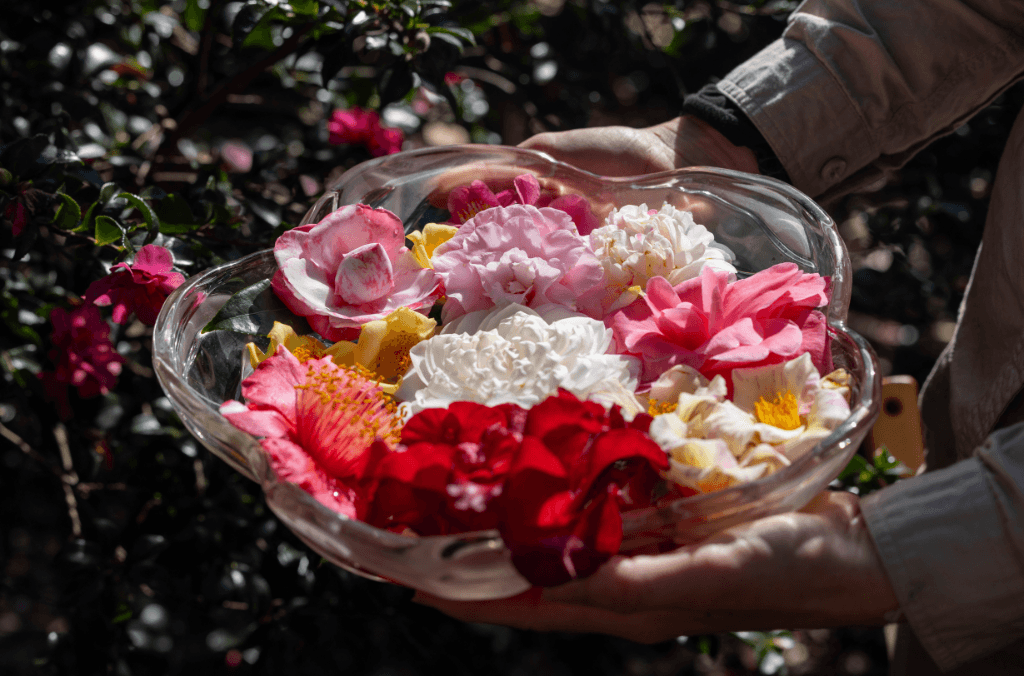
There are 250 different species and 20,000 different cultivars of camellias
Choosing the right planting spot
Camellias are traditionally best planted in autumn, allowing them time to establish strong roots before the growing season. However, Sydney's relatively mild winters mean they can also be successfully planted during winter, provided they are watered well and given the right growing conditions.
Before planting, it's important to select a location that suits your camellia.
The amount of sunlight a camellia needs will depend on the variety or species, but many popular types, including Camellia japonica, prefer a position with some protection from harsh afternoon sun.
"When choosing a spot, you're going to want to think about whether it's in the sun or the shade. Japonicas like a bit more shade," Ellen says.
You'll also need to consider the plant's mature size. Some varieties can grow into small trees and require enough room to spread.
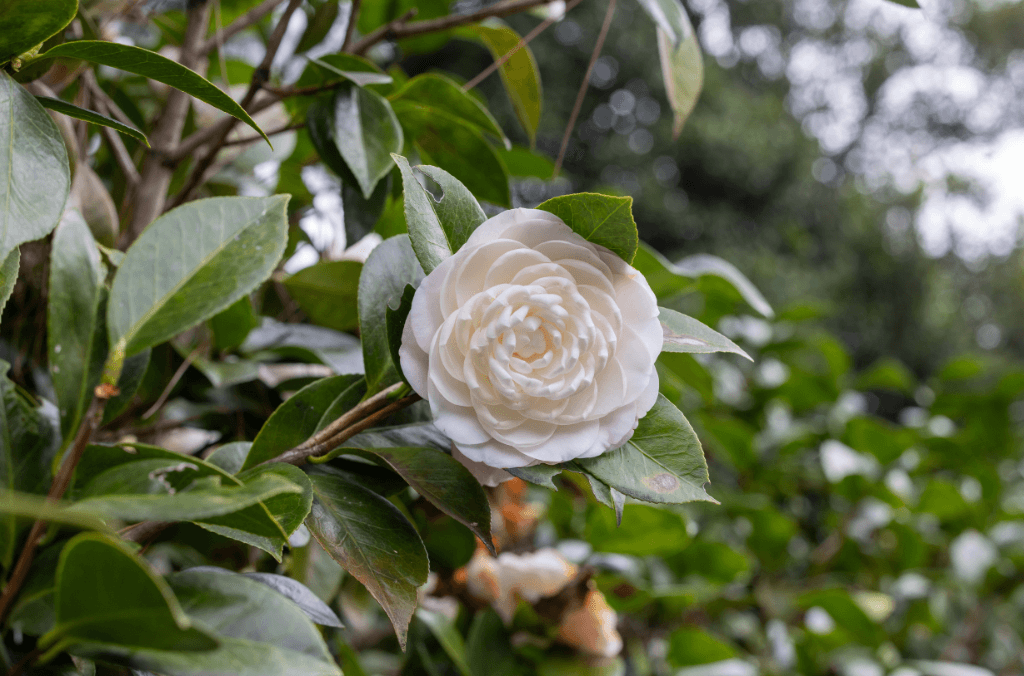
Camellia Japonica 'Queen Diana' 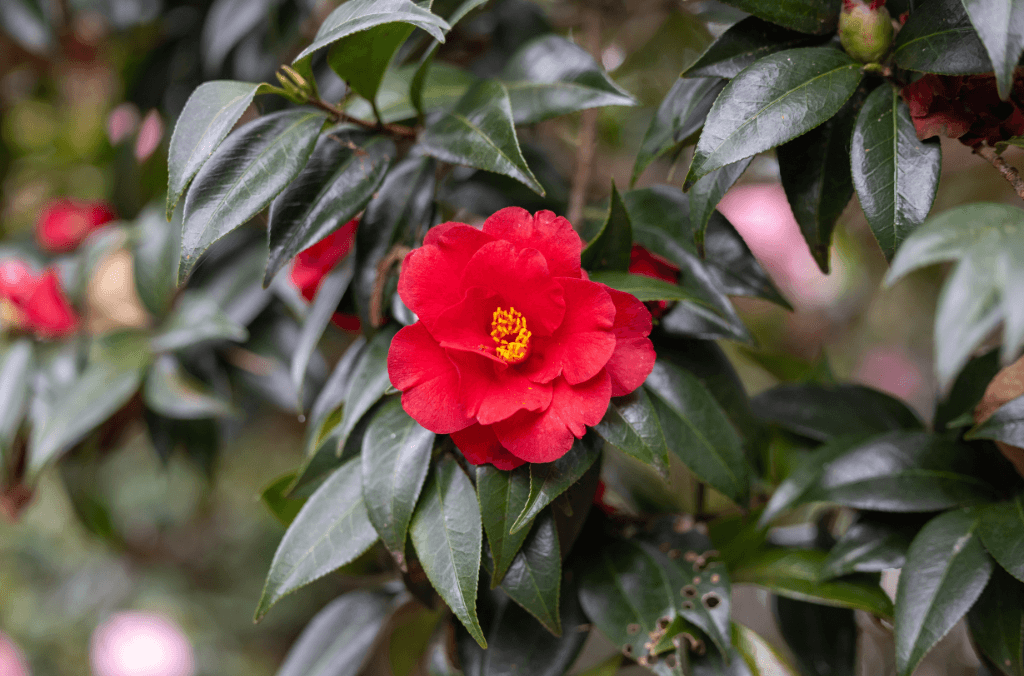
Camellia Japonica 'Wildfire'
How to Plant a Camellia
The secret to success when planting a camellia is the soil. Camellias are acid-loving plants and thrive in soil with a pH between 5.5 and 6.5.
"It's good to do a soil test before planting. Otherwise, they won't be able to take up the nutrients they need," Ellen explains.
Simple home testing kits are widely available and can help determine your soil's pH. If your soil needs adjusting, you can improve it with organic matter and sulphur-based products to lower the pH levels.
Camellias perform best in rich, well-draining loamy soil that holds moisture without becoming waterlogged.
If you're working with dense clay or poor-quality soil, it's worth improving it before planting. Mix in plenty of organic matter, such as composted cow manure, and/or a quality acidic planting mix at a 50:50 ratio with the existing soil. This will improve drainage, boost soil health and help your camellia establish more successfully.
Planting a camellia correctly from the start will help establish a healthy root system.
Ellen recommends digging a hole approximately twice the width of the nursery plant pot. You can purchase a plant propagated from the Botanic Gardens Plant Sales or visit your local nursery.
"You want to do about double the width of the pot and you want it level with the ground already," she says.
Because camellias have shallow roots, it's important not to plant them too deeply.
"They have such a shallow root system, you don't want too much soil piling up because that will actually make it rot."
How to plant a nursery pot in the ground:
| Step 1 | Remove plant from pot |
| Step 2 | Gently tease out roots |
| Step 3 | Position the plant so the top of the root ball sits level with the surrounding soil |
| Step 4 | Consider the direction of flowers and foliage before final placement |
| Step 5 | Backfill with soil and water thoroughly |
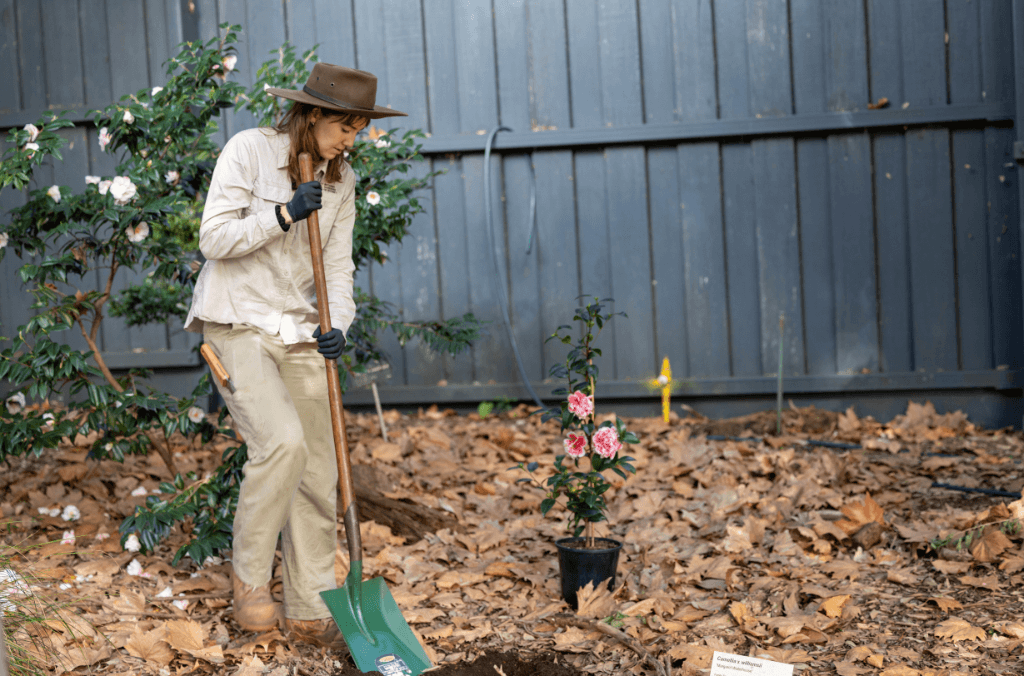
Ellen Goodwin planting Camellia Japonica 'Volunteer' 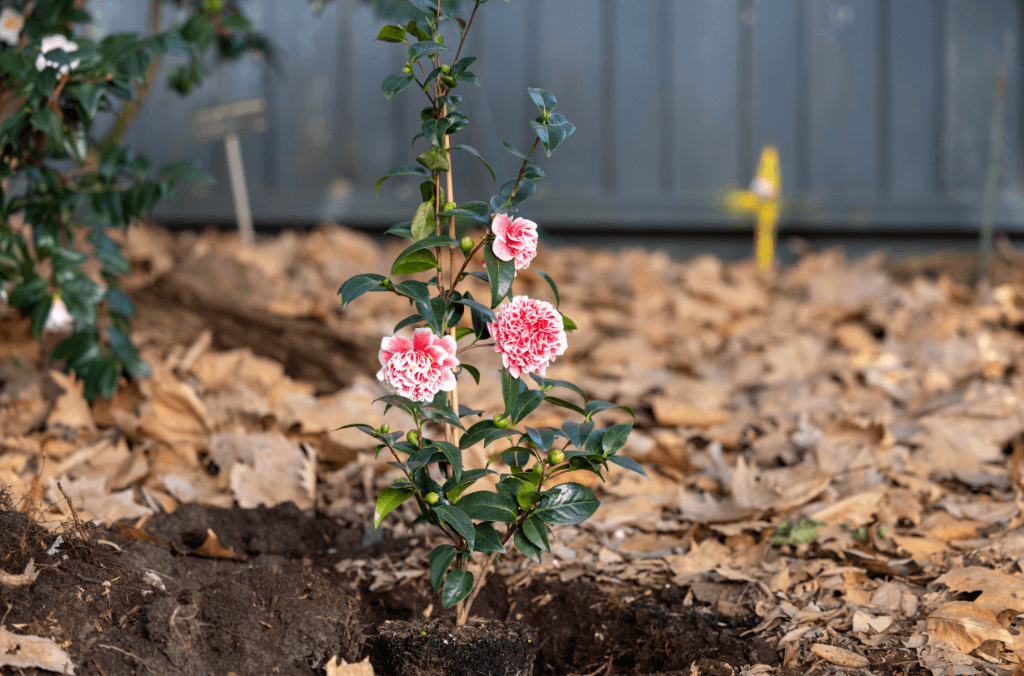
Camellia Volunteer ready to be planted
Watering and Mulching
Newly planted camellias need regular watering while they establish.
"You want to water it in really well, a really deep soak and quite frequently while it's establishing," says Ellen.
For the first six months, monitor your plant closely, particularly during summer and while it is flowering.
Mulching can also make a significant difference to plant health. Camellias naturally grow in woodland environments throughout Asia, where the soil is rich in organic matter. Recreating these conditions in your garden helps retain moisture and improve soil quality.
Ellen recommends using leaf litter, woodchip mulch and bark mulch to mimic the natural environment.
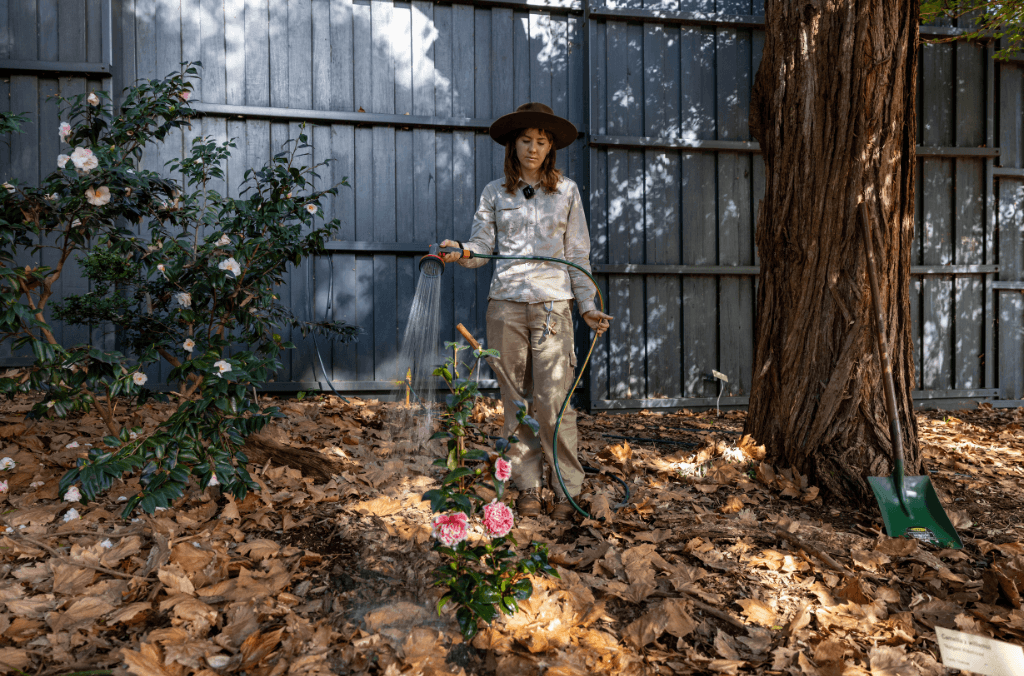
Horticulturalist, Ellen watering Camellia japonica 'Volunteer' after planting it in the ground
Fertilising and Pruning
Regular feeding encourages healthy foliage and abundant flowers.
"I use Kahoona, which is a pelletised fertiliser. You want to do it in spring and then if it's a mature plant, you want to do it again in summer."
Camellias grown in containers can be fertilised in the same way. When it comes to pruning, timing is everything.
"Pruning needs to be done right after flowering. Otherwise, you're going to take off the buds for next season."
A light trim after flowering will help maintain shape and encourage healthy growth without sacrificing next year's blooms.
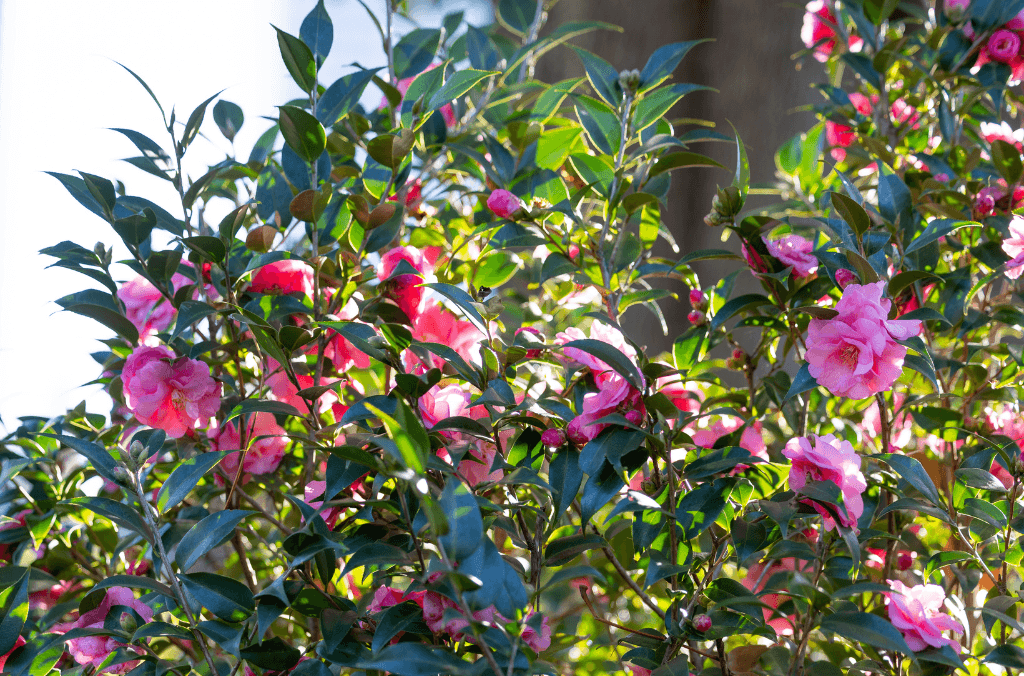
Camellias now in bloom at the Royal Botanic Garden Sydney this winter
Winter feels different in the Gardens
Plan your visit today, or see what's on this season in Royal Botanic Garden Sydney.
The weather may cool, but the garden remains a great place to escape the everyday and feel alive. There's still plenty to see and do here, where you can learn, explore and discover in the quiet beauty of the Gardens this winter.
Related stories
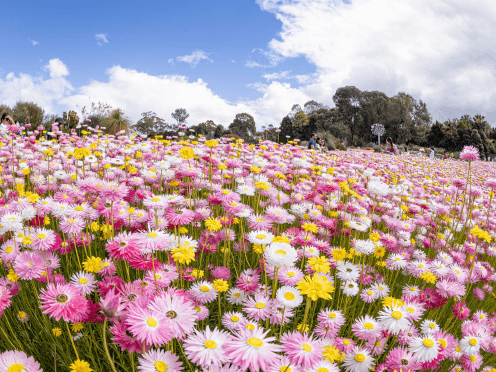
Discover the fascinating story behind Sydney's biggest paper daisy display and why these remarkable native flowers captivate visitors every year at Australian Botanic Garden Mount Annan.

In Antarctica’s frozen deserts, scientists are uncovering extraordinary fungi that survive where almost nothing else can, writes Professor Brett Summerell AM, Chief Scientist and Director Science, Education and Conservation.
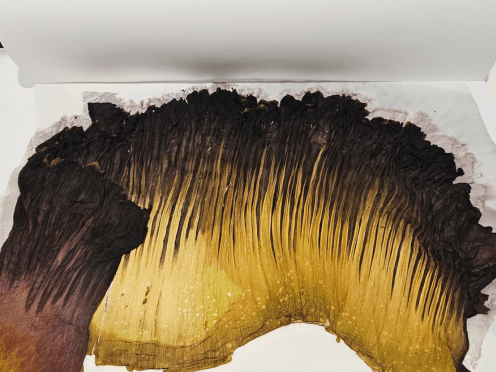
Come behind the scenes on a botanical journey to preserve the first ever corpse flower in the National Herbarium of New South Wales.