One of best places to see autumn magic
With a dense collection of cool climate trees nestled in amongst UNESCO World Heritage wilderness, the Blue Mountains Botanic Garden Mount Tomah is one of the best places to marvel at nature’s spectacular show of autumn colour.
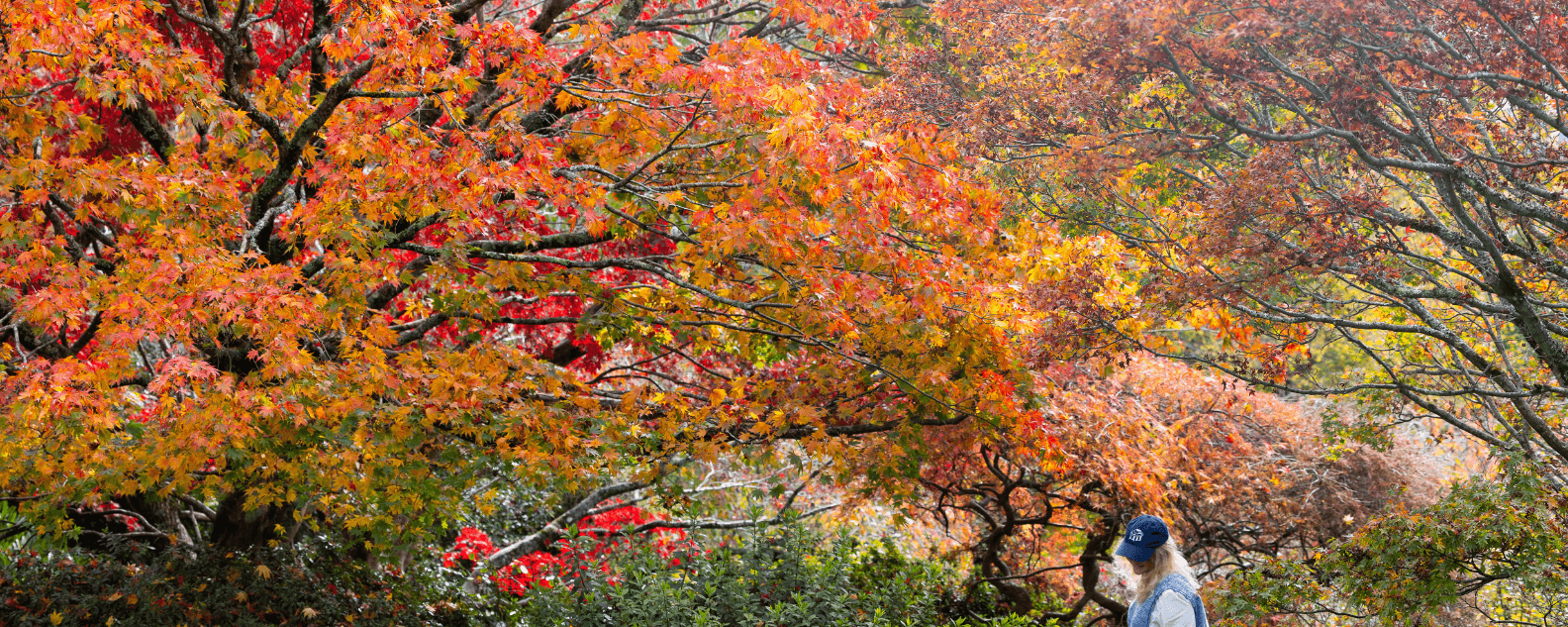
As the leaves begin their vibrant journey towards the ground, here's a quick guide on where to see the best autumn colours at the Blue Mountains Botanic Garden Mount Tomah.
Between March and May, the Botanic Garden becomes ablaze with rich, golden hues as hundreds of deciduous species start to shed their foliage. The exact timing of autumn leaf fall is hard to predict as its contingent on both day length and cooling temperatures. This year, it’s likely the crunch of leaves underfoot won’t be felt until mid to late autumn (April - May).
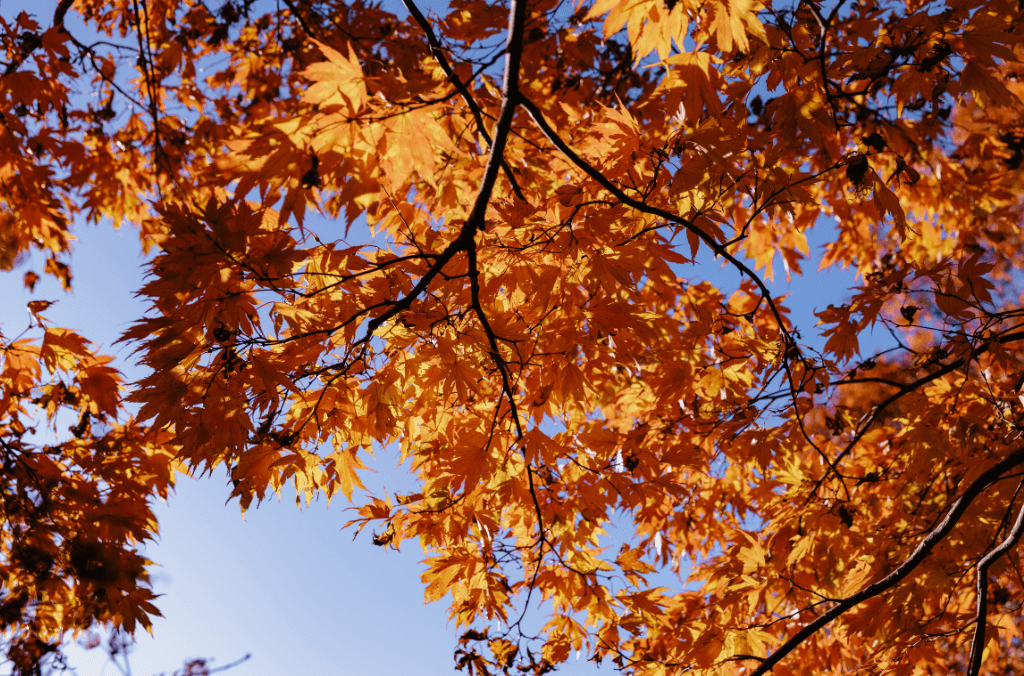
Blue Mountains Botanic Garden Mount Tomah is a must-see for visitors from April to May with a range of trees from cool temperate regions around the world.
Marvellous maples
Featuring over 365 specimens, the Blue Mountains Botanic Garden Mount Tomah houses an expansive collection made up of 198 Acer species and cultivars. Unrivalled as the biggest draw to the Garden in autumn and providing huge interest with their varied and unusual bark, delicate leaf shape and exquisite habit, year round, Mount Tomah’s maples are unmissable.
Of the Garden’s vast Acer collection, it is home to three maples considered significant by the International Union for Conservation of Nature; Acer pentaphyllum (of which only 501 wild specimens remain), Acer skutchii (the critically endangered ‘Cloud Forest Sugar Maple’ from Mexico) and Acer griseum (an endangered Acer known for its beautiful, showy, flaky bark).
The Garden is also has some very old maple cultivars on display, such as Acer palmatum 'Aka Shigitatsu Sawa', which is seen in Japanese literature as far back as 1710, with poems dedicated to the cultivar. 'Aka Shigitatsu Sawa' means “near a swamp where solitary snipes start out”, and an elegant specimen of the tree can be found in the Eurasian Woodland at the Garden.
Acers readily interbreed, crossing with one another easily and creating a huge variation in their form, habit, bark, leaf shape and colour. Due to this, there are over 5000 known cultivars of maples. One of the easily identifiable features of Acers is their distinctive fruits.
Discover a Japanese-inspired landscape
In late 2025, the newest garden at Blue Mountains Botanic Garden Mount Tomah opened to the public. It’s called Tsubaki Yama, meaning ‘Camellia Mountain’ in Japanese, and it showcases a camellia collection of global significance.
Known as “samaras”, Acer seeds occur in pairs each with a wing made of papery tissue that “helicopters” the fruit down from the tree, dispersing the seed far from the parent plant to give the new sapling space to grow.
Maples are an integral part of Japanese culture, and synonymous with Japanese gardens, being cultivated as far back as 614 A.D. The peak of maple-mania in Japan occurred during the Edo era (1603-1867), with maple viewing parties, gardens centred around the trees becoming popular, and maple bonsais being the height of fashion.
Acers and Japanese gardens are still inextricably linked today. Acers considered to be ‘Japanese Maples' include Acer palmatum, Acer shirasawanum, Acer buergerianum, Acer crataegifolium and their cultivars.
The Garden is home to 141 species and cultivars of Japanese Maples with leaf colours varying dramatically from butter yellow, to bright pink, vibrant orange and deep merlot-red and habits ranging from dwarf to fifteen metre high specimens, with both weeping and standard habits.
As the seasons turn cooler and the summer heat fades, the maples dotted around the Garden are unmissable as the seasons transition. Best viewed wrapped in a warm coat and scarf, little will give you that crisp, comfortable autumnal feeling like strolling through a collection of Acers.
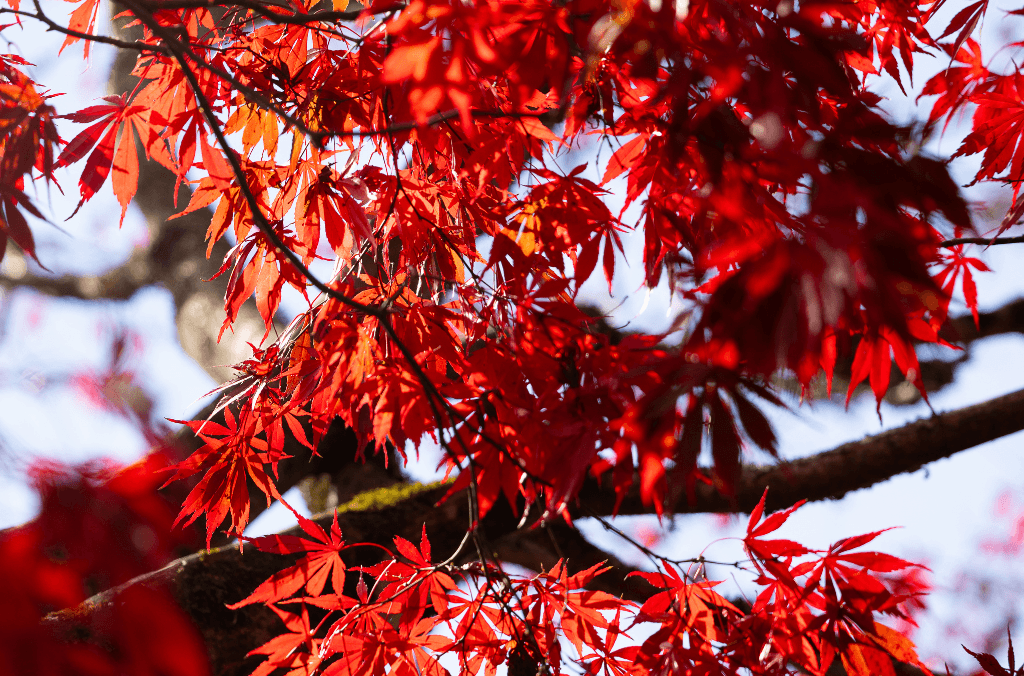
Striking red and gold Acers look their best in March-May.
Dawn Redwoods (Metasequoia glyptostroboides)
When Autumn's arrives, green canopies transform into crispy orange, red and yellow foliage at the Blue Mountains Botanic Garden Mount Tomah. As the chill rolls in, one of our favourite seasonal show‑offs is the towering, perfectly triangle shaped Dawn Redwood (Metasequoia glyptostroboides).
Just like the famous Wollemi Pine, Dawn Redwoods are like living dinosaurs, dating back millions of years in the fossil records. This fast-growing and endangered species is the only deciduous conifer at the Botanic Garden with its soft, feathery foliage turning a bold shade of bronze. The trees can be found in the Formal Garden, Residence Garden, and Woodlands.
Native to Central China and now endangered, these gentle giants are nothing short of ancient royalty. Some specimens can live for 400 to 600 years in ideal conditions. Not a bad innings for a tree that looks this good in orange.
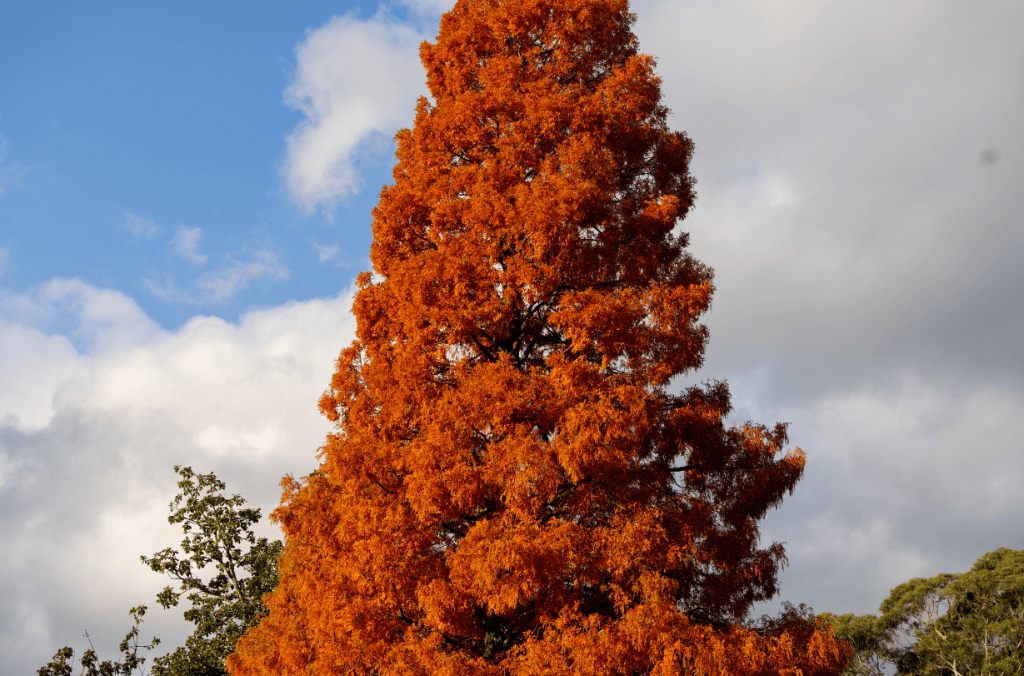
This Dawn Redwood can be found as you arrive near the Visitor Centre.
Ginkgo biloba
Ginkgos are one of the oldest living tree species and during autumn their fan-shaped leaves transcend into a beautiful buttery yellow. They can be spotted all throughout the Botanic Garden but have prime positions in the Formal Garden and Residence Garden.
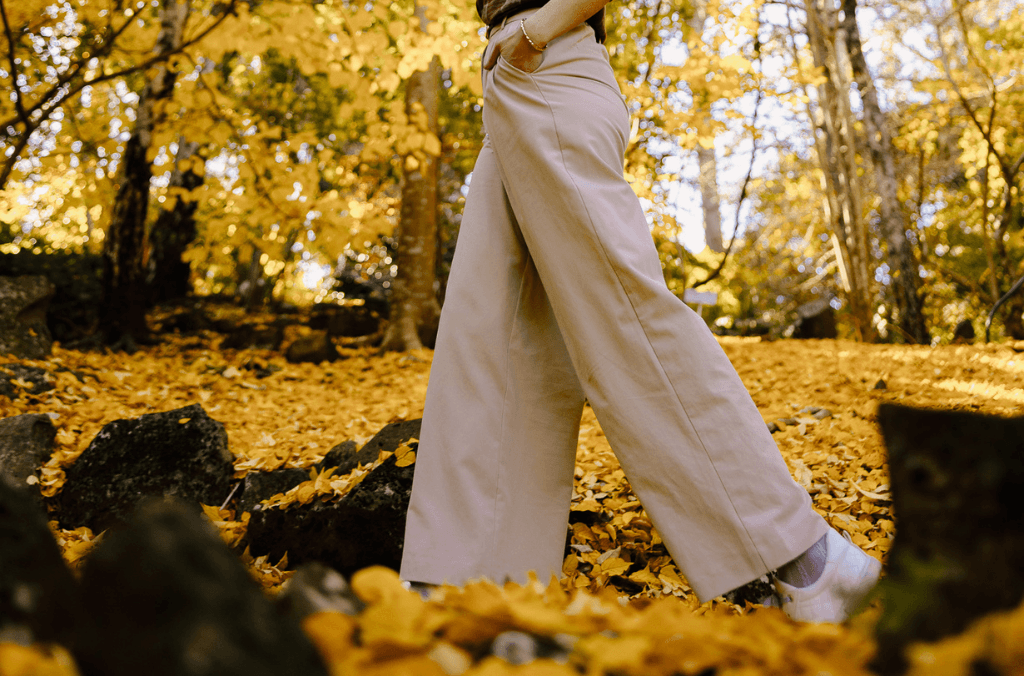
Ginkgo biloba leaves are are a bright, fresh green in spring, maturing to deep summer green and finally a beautiful buttery yellow in autumn.
Pourthiaea villosa
Located in the Brunet Meadow, the dark green leaves on these deciduous shrubs ignite into a kaleidoscope of autumn colours. From salmon pinks to rusty reds and golden oranges, each small shrub goes a slightly different shade, making for a spectacular sight that almost glows in the afternoon light.
Lindera obtusiloba
Native to parts of China, Japan, and Korea, the leaves on this small shrub look like little dinosaur footprints that will soon turn a mellow yellow before covering the Plant Explorer’s Walk. This cool shady pathway showcases over 400 species of plants and shares stories of plant ‘discoveries’ in remote pockets of Eastern Asia and the intrepid plant hunters who brough them to prominence in the West.
This walk shines a light on plant diversity, human endurance and stories of how both common and rare garden plants from around the world came to be here for you to experience today.
Dive into forest bathing
Marion Whitehead, Supervisor Ornamental Gardens and Nursery Mount Tomah, recently wrote about the experience of Shinrin-yoku or “forest bathing”, the Japanese practice of immersing oneself in the atmosphere of the forest.
She saw Lindera obtusiloba in full autumn colour in Japan - experience it for yourself a little closer at Mount Tomah.
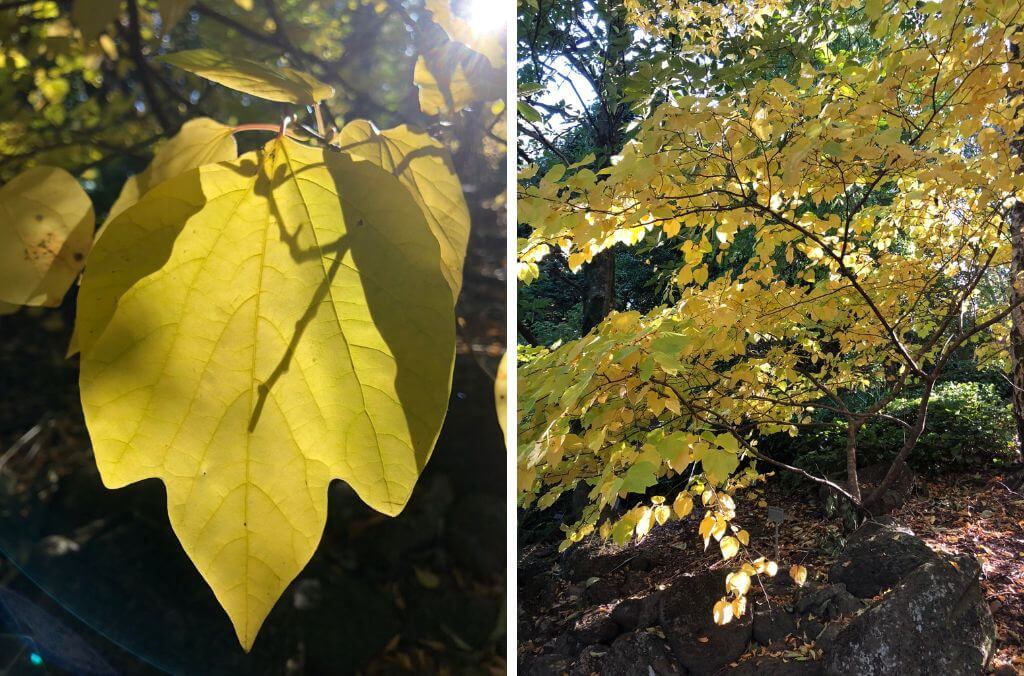
Lindera obtusiloba leaves look like little dinosaur footprints.
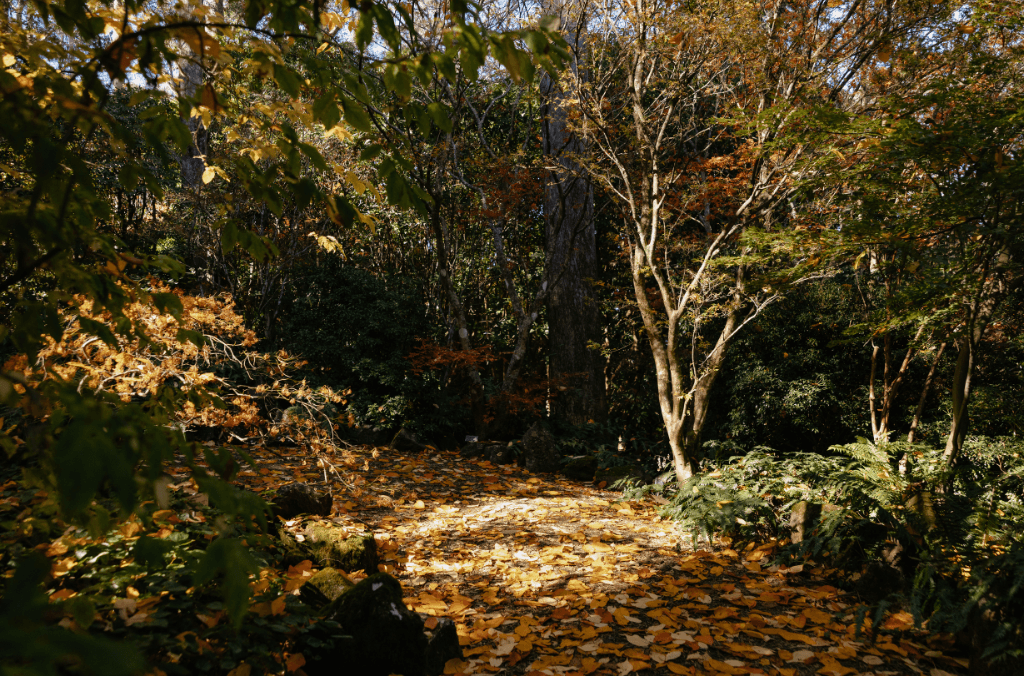
The pathways are covered in gold at this time of year.
Learn more
Plan your visit to the Blue Mountains Botanic Garden Mount Tomah this autumn. Breathe deeper. Escape to crisp mountain air, peaceful walks and autumn’s vibrant natural palette.
Related stories
Discover the fascinating story behind Sydney's biggest paper daisy display and why these remarkable native flowers captivate visitors every year at Australian Botanic Garden Mount Annan.
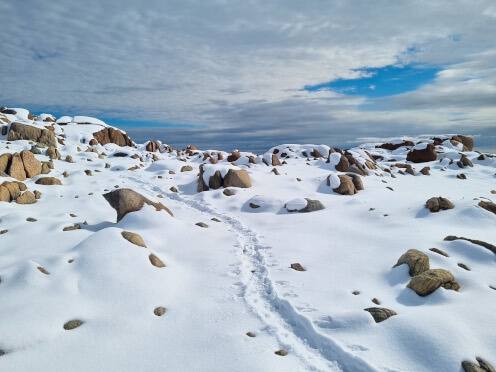
In Antarctica’s frozen deserts, scientists are uncovering extraordinary fungi that survive where almost nothing else can, writes Professor Brett Summerell AM, Chief Scientist and Director Science, Education and Conservation.
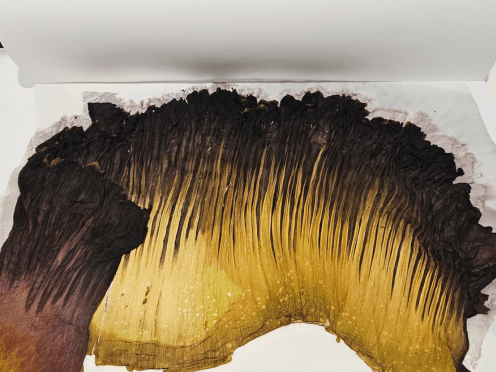
Come behind the scenes on a botanical journey to preserve the first ever corpse flower in the National Herbarium of New South Wales.