Growing more than gardens
Across New South Wales, Youth Community Greening is helping young people plant far more than trees and vegetables.
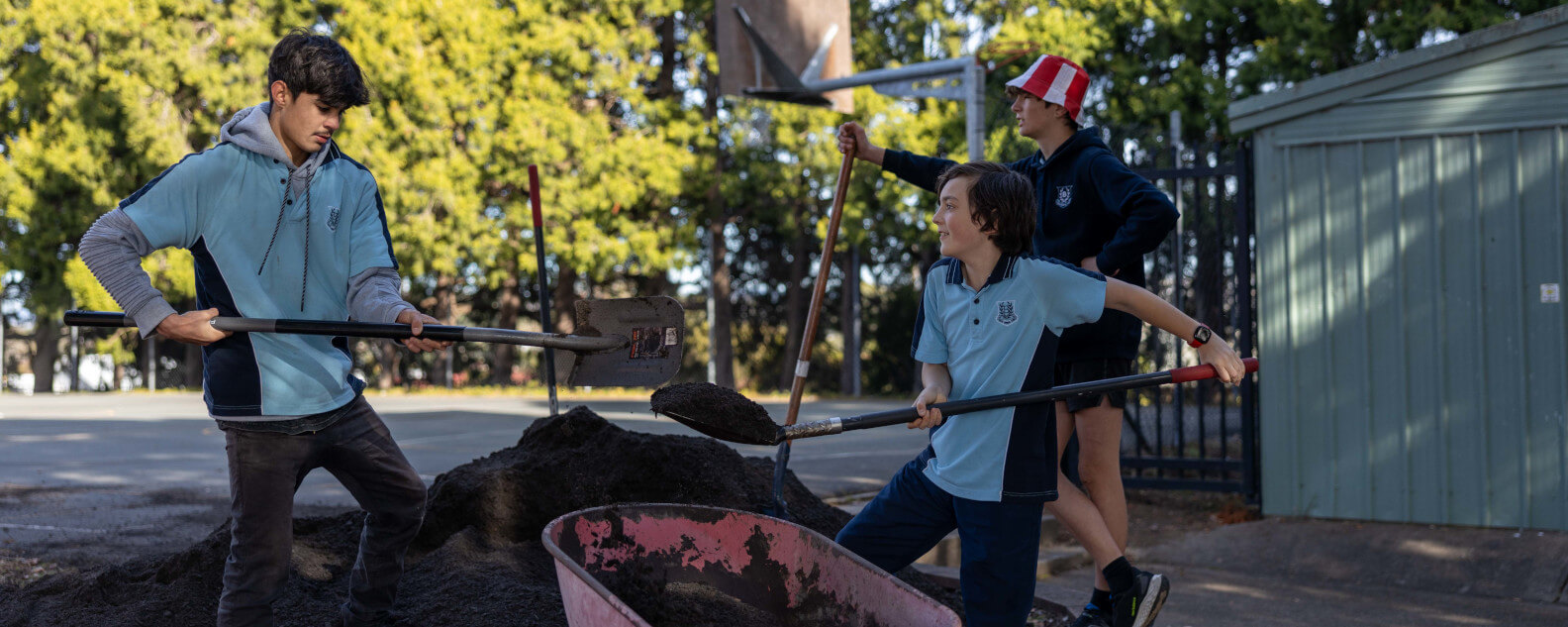
As suburbs expand and open green space becomes harder to find, school grounds and community centres are increasingly becoming some of the last places where children can connect with the natural world.
This is where Youth Community Greening (YCG) steps in. Established in 2008 by Botanic Gardens of Sydney, the hands-on environmental education program works with children and young people up to 25 years across New South Wales, from preschools and primary schools to migrant youth groups, young people with disability, youth justice centres and communities facing disadvantage.
Creating spaces to grow
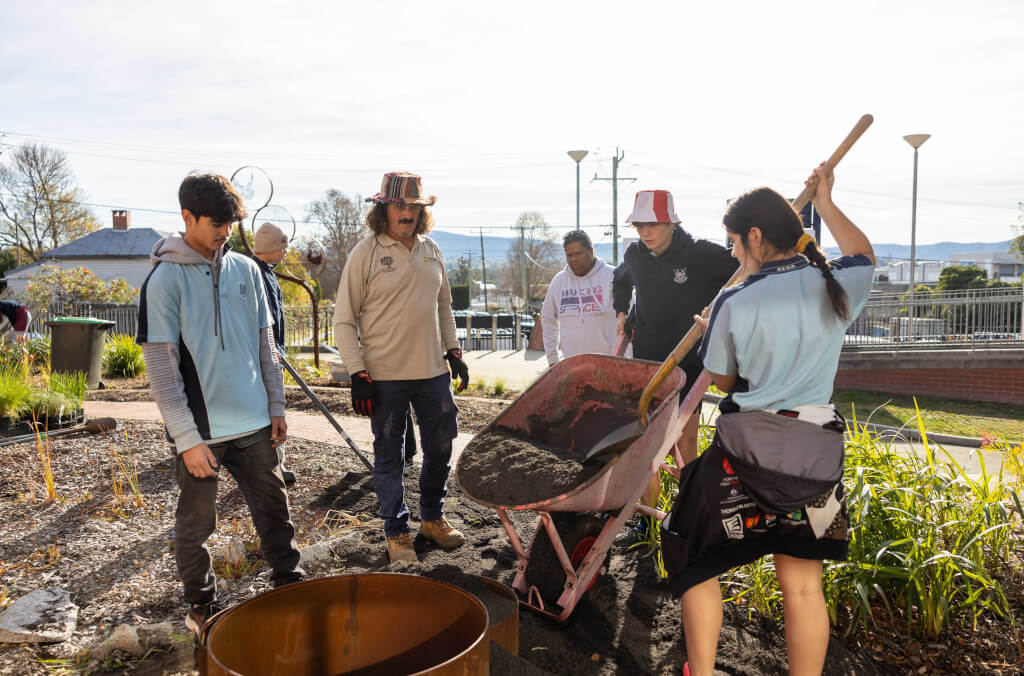
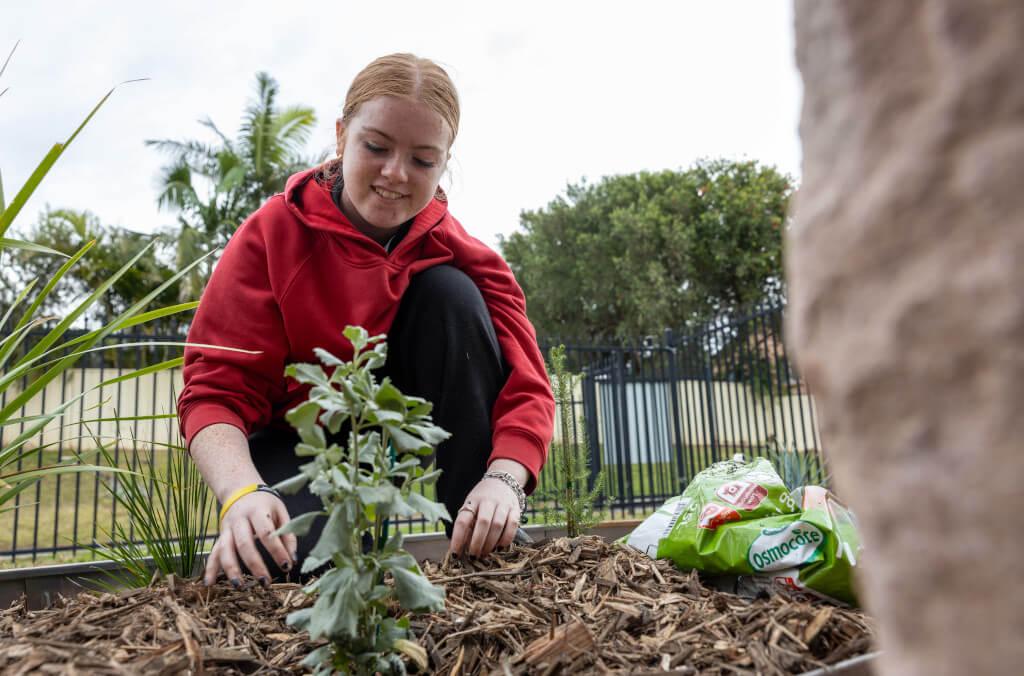
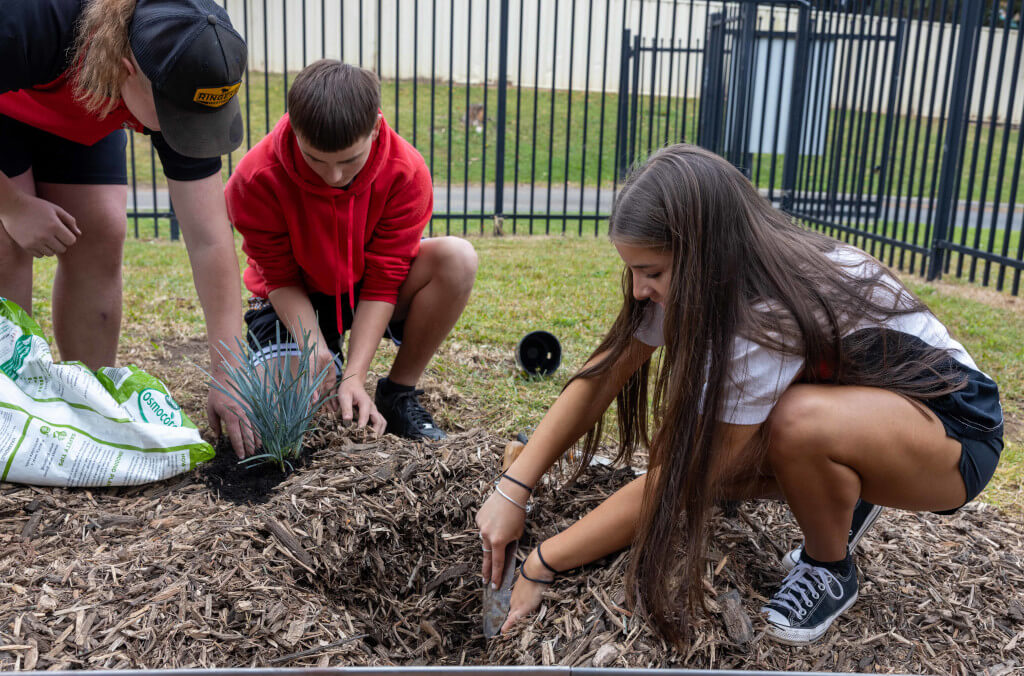
Working alongside educators from Botanic Gardens of Sydney, participants help design and build gardens, create food forests and biodiversity habitats, and transform unused spaces into places that are vibrant, useful and alive. But the impact reaches far beyond the garden bed.
“I see the reactions of students first hand every day – they can’t wait to show us what’s happened since we last visited, how specific plants have grown or how they’re using spaces created,” says Peter Dawe, Youth Community Greening Lead.
“I visited Cobargo Public School unannounced 18 months after we rebuilt the entrance garden of the school after the fires, a student saw me pull up and they all ran out to show me the garden.”
That garden was created in the wake of extraordinary loss. During the project, students spoke openly about homes, pets and even neighbours they had lost in the Black Summer bushfires. The process of rebuilding something together became, in Peter’s words, “such a healing process”.
“When we had the garden opening, despite it being in COVID, there was a record attendance for any function the school had had previously,” he says.
Stories like this capture what makes YCG so powerful. The program is not simply about planting trees or teaching gardening skills, it’s about creating spaces where young people feel safe, capable and connected.
“Green spaces in schools, preschools and youth centres provide areas and opportunities for young people to regulate their emotions, protect their mental health, encourage physical activity, strengthen social skills, teamwork and learning and also help reduce inequality by creating spaces of connection,” Peter says.
Growing confidence and connection
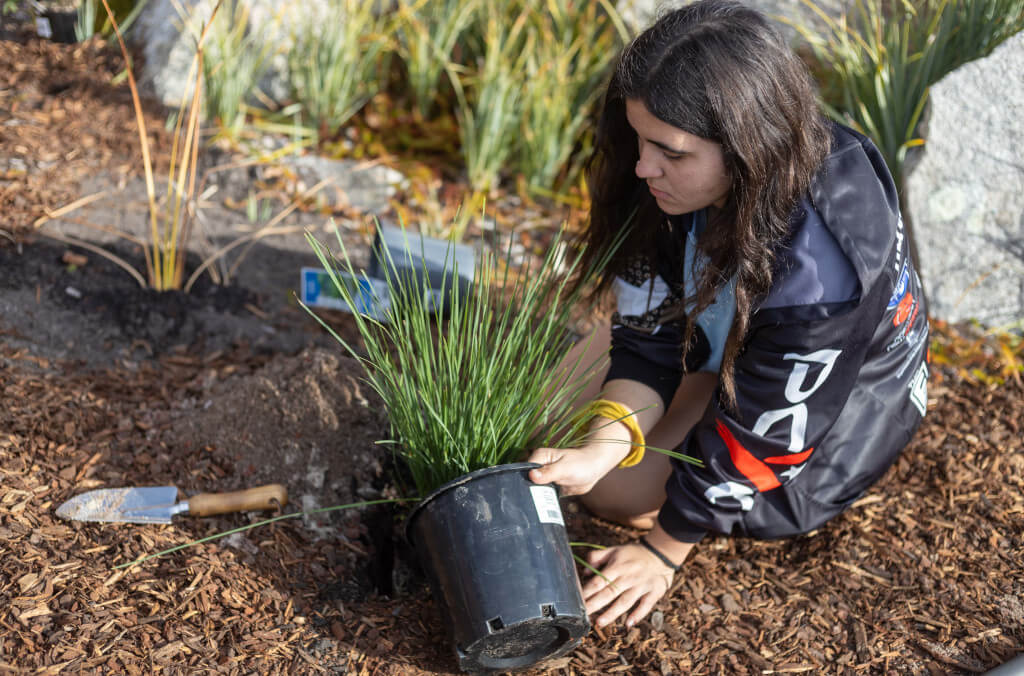
That sense of connection can be life changing. Over the years, YCG has worked with more than 150,000 participants across more than 700 sites statewide, helping young people discover practical skills, confidence and a stronger sense of belonging.
A 2018 survey of participants by Western Sydney University’s Centre for Education Research underlined just how meaningful that impact can be. Of those surveyed, 85 per cent said the program had a positive effect on their health, while 91 per cent said it had benefited their community. Nearly three-quarters said they were exercising more, and 61 per cent reported eating better as a result of taking part.
“A number of students from additional needs schools and youth justice centres have gone on to careers in horticulture,” Peter says. For some, that first chance to get their hands in the soil can become the beginning of an entirely new pathway.
The benefits also ripple out far beyond the individual. YCG projects often become anchors for entire communities – places where families, staff and neighbours can gather, learn and care for a shared space.
“Our program helps connect young people to community and the environment. It gives them an opportunity to get their hands in the earth and feel the mental, physical and emotional benefits,” Peter says. “We receive nothing but positive feedback from youth and staff.”
Small forests, big impact
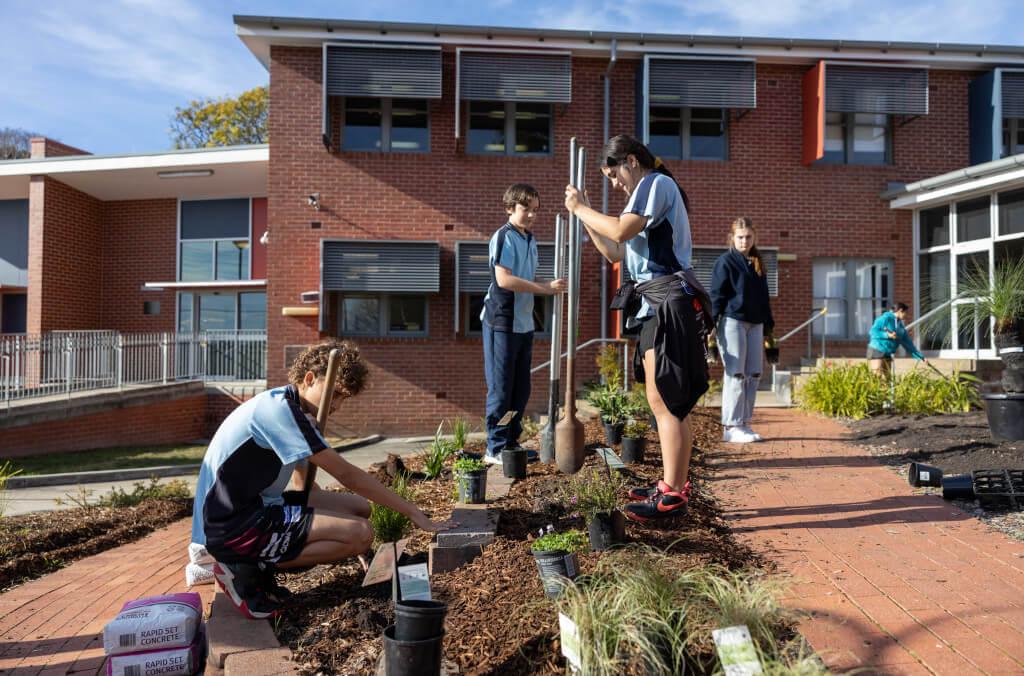
One growing focus is YCG’s tiny forests program: compact, fast-growing pockets of native bushland that transform school grounds into cooler, greener and more biodiverse spaces. These living classrooms offer shade, improve soil health, support local wildlife and give students hands-on opportunities to learn about ecology, sustainability and care for Country.
On a recent grant-funded project working with disengaged Aboriginal young people across 16 high schools, YCG also helped co-design cultural spaces within schools.
“Most students noted that as a result of the program they experienced a greater connection to community, school and to their families through discussing the program,” Peter says. “The YCG program acts as a catalyst to so much more than just the direct on-ground work that we do.
“As much as we try to provide ongoing support, it is difficult and that is why we build not just green spaces but we build capacity, confidence and an appreciation of the natural environment.”
Want to see the magical field of white for yourself?
This end of financial year, Foundation & Friends of the Botanic Gardens is raising funds to help ensure YCG, which is entirely dependent on philanthropic support, can continue reaching the young people who need it most.
Related stories
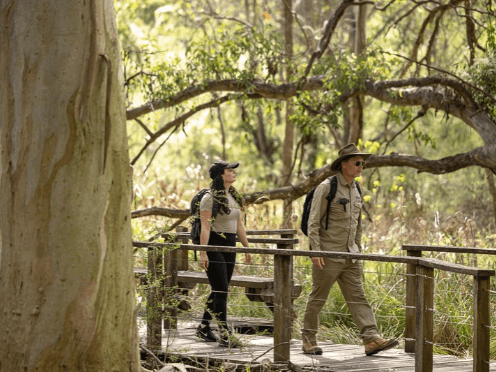
Peaceful walks or challenging trails, discover all the ways to explore Australia’s largest botanic garden.
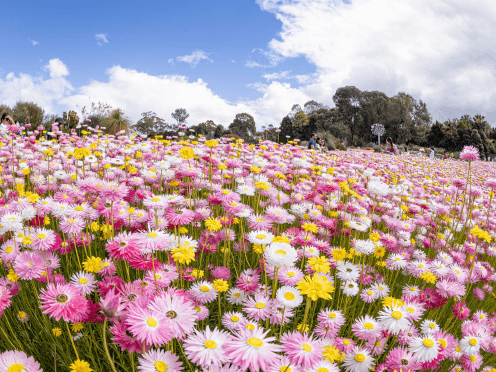
Discover the fascinating story behind Sydney's biggest paper daisy display and why these remarkable native flowers captivate visitors every year at Australian Botanic Garden Mount Annan.
In Antarctica’s frozen deserts, scientists are uncovering extraordinary fungi that survive where almost nothing else can, writes Professor Brett Summerell AM, Chief Scientist and Director Science, Education and Conservation.