Window to an ancient world
Nestled in the heart of Royal Botanic Garden Sydney is an ancient wonder just waiting to be discovered. Explore over 350 species of ferns and mosses in a magical spot with a hidden pond.
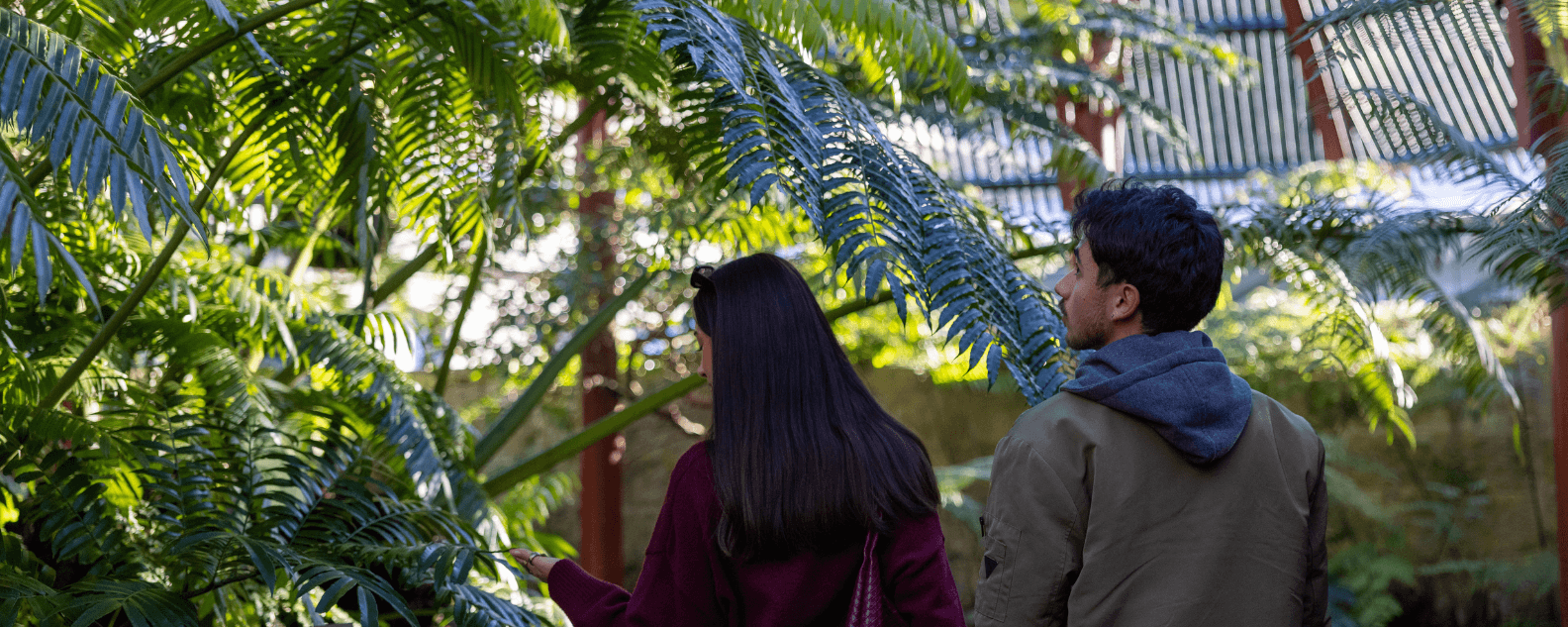
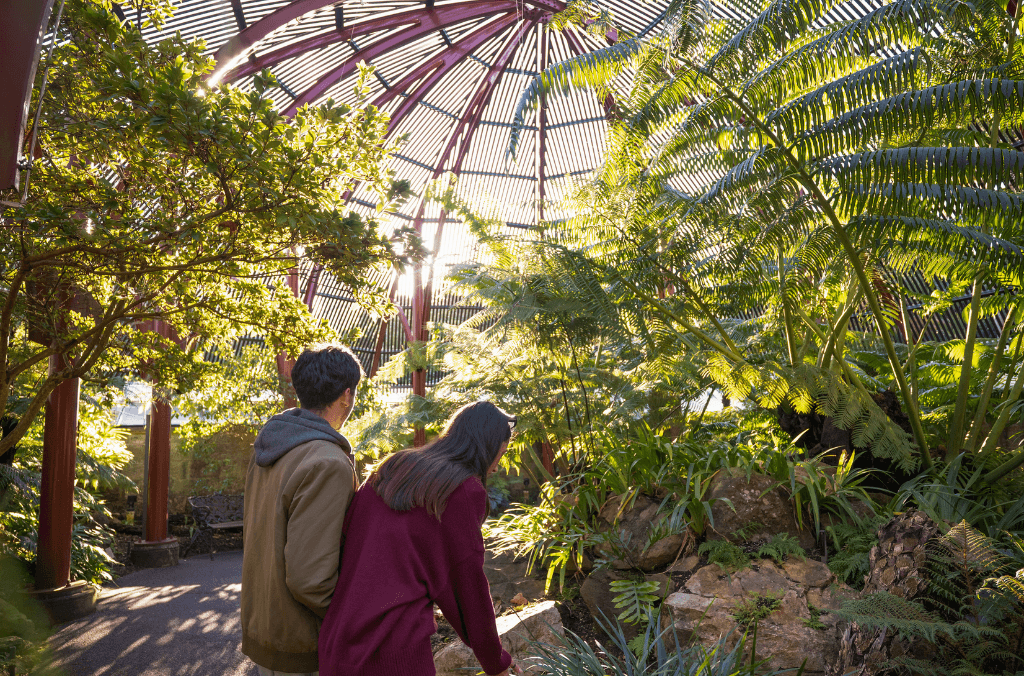
This winter, step into a quiet, green sanctuary that comes alive in the cold. Built in 1993 using recycled sandstone from the 1820s and a slatted roof that filters light to the plants below, the structure brings together layers of human and plant history in one place.
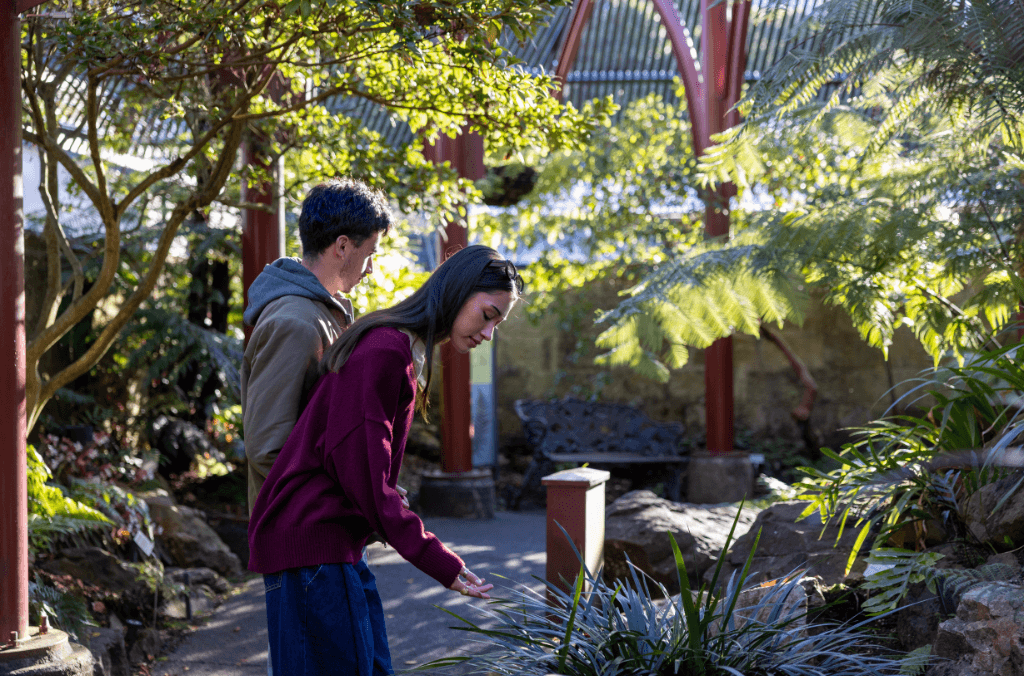
The winding path of the Fernery invites you to slow down, breathe deeper, and listen to the gentling flowing water and soft rustle of the leaves. Tucked away but close to Botanic House and The Calyx, this hidden gem contains an entire miniature rainforest – you just need to look a little closer.
A living link to ancient landscapes
Ferns are among the oldest plant lineages on Earth, with origins more than 350 million years ago. Today, there are around 12,000 known fern species worldwide, most of which evolved in the last 200 million years.
Walking through the fernery offers a rare opportunity to encounter this lineage up close. These plants predate flowers, fruits and seeds. They connect directly to a time when Earth’s landscapes were dominated by vast fern-rich forests, long before the ecosystems we recognise today emerged.
Shaped by diversity
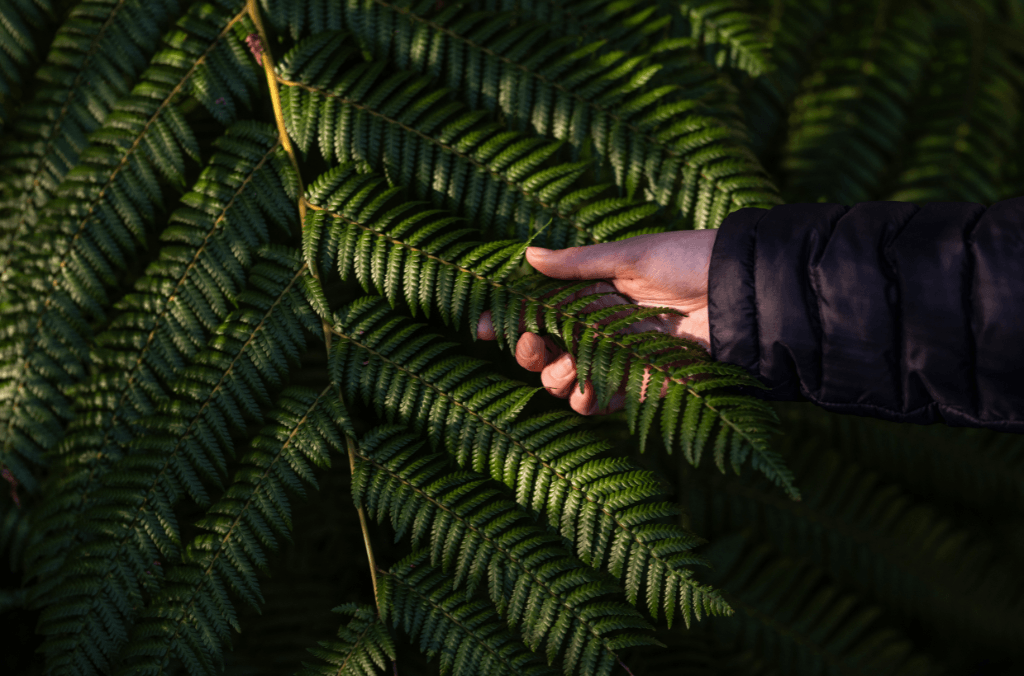
Inside the fernery, more than 350 species of ferns and related plants grow together, creating a layered and immersive environment.
Stop to admire grand ferns from Australia and Southeast Asia, then crouch down to get up close with mosses and other bryophytes, some of the earliest plant forms. Search between the larger leaves to find tropical understory plants like colourful orchids and begonias scattered throughout.
High in the skies
Across Australia, there are around 400 fern species, with about 130 found in the Sydney region alone. Some groups of are delicate and ground-hugging, while others grow into impressive structures. The Giant or King Fern Angiopteris evecta produces fronds that can reach up to six metres in length, making it one of the most striking plants in the fernery. This plant has been evolving for 300 million years, and its ginormous fronds stay upright through water pressure alone, making it reliant on the moisture found in the air.
Up in the canopy you might spot the Stag Horn or Platycerium species that grow on the trunks of rainforest trees along the east coast of Australia. These ferns are named for their protruding fronds that look like antlers emerging from the tree trunks of other species.
The fernery is rich with small details.
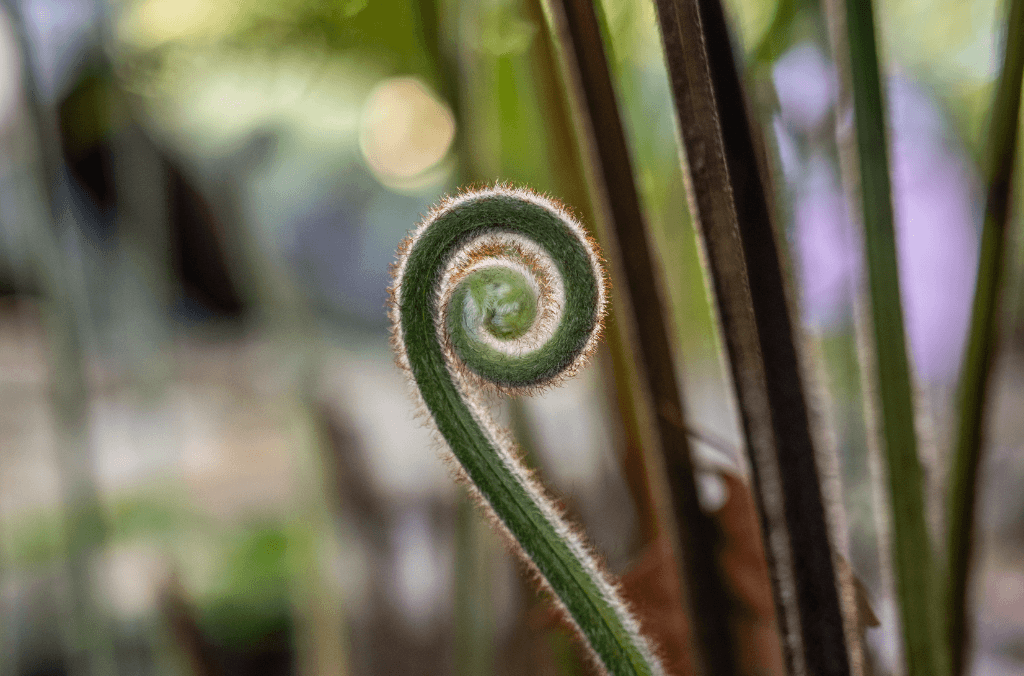
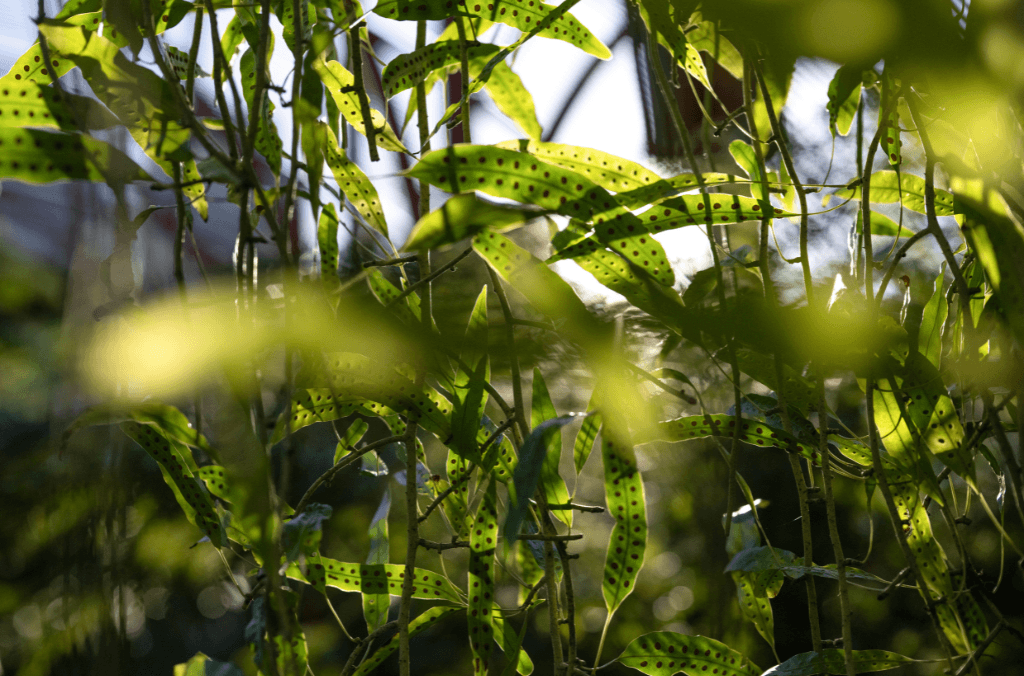
The longer you spend here, the more you begin to notice. Young fern leaves, known as fiddleheads, emerge as tightly coiled spirals. As they unfurl, they reveal repeating patterns known as fractals. Each smaller section mirrors the shape of the whole frond, creating a sense of rhythm and structure.
Deep in the understory
The Fernery lets you in to the understory of the forest: a shady, damp, slow-moving ecosystem.
There are secrets below your feet. A forest floor is quiet and patient. It’s also a source of new life and a place of rest. Tiny saplings push their way up through leaf litter, reaching for a sliver of light above to stretch up towards the canopy. Older plants drop their leaves and return to the earth down here where it’s cool and dark. Mosses spread slowly, forming dense carpets that hold moisture and support entire microscopic ecosystems.
Look closer and you may find a nurse log, where a fallen tree becomes the foundation for new growth. Moss, fungi and ferns thrive on its surface, drawing nutrients from decay. You might also spy a purple butterwort Pinguicula, a small carnivorous plant that trap insects on its sticky leaves to take in vital nutrients. These special sights are examples of how life regenerates, showing that decomposition and growth are all part of the same process.
Slow down this winter
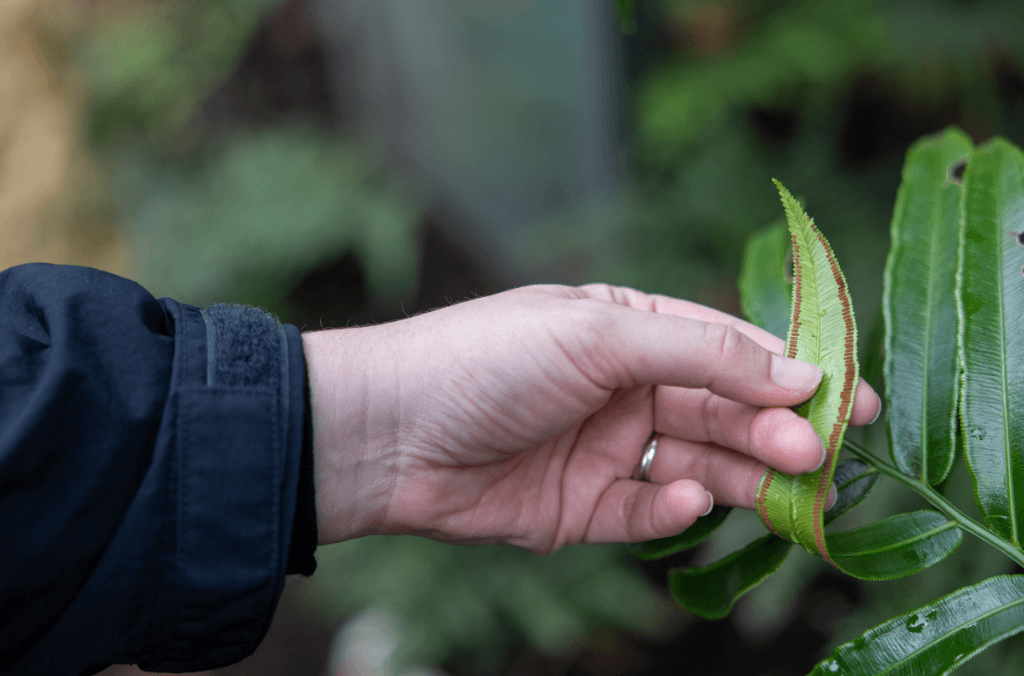
Take a moment to pause. Listen to the water. Examine the texture on the underside of the fronds. These small clusters of spores are called sori, and each sori contains large numbers of spores, light enough to travel long distances by wind or water. Once they land in the right conditions, they begin a complex life cycle that includes a second, often unseen stage of growth. This dual life cycle is one of the reasons ferns have persisted for so long. It allows them to adapt to a range of environments, from damp forest floors to exposed rock surfaces.
Notice the texture of the leaves and the layers of growth around you. This is an opportunity to experience the Garden in a different way, by focusing on stillness rather than movement.
Linger a little longer at Royal Botanic Garden Sydney after your visit to the Fernery and pick up lunch to go from Botanic House. Stretch out on a picnic rug to enjoy the quiet beauty of longer shadows and softer light across the lawns. Even on the coldest days the garden comes alive with exploration.
Winter at the Royal Botanic Garden Sydney feels different.
Plan your visit today, or book in to create your own miniature moss garden on Saturday 20 June as part of our Winter Wellness events.
Our workshop begins with a guided walk around the Fernery – a display of more than 350 species of ferns, mosses, club mosses and rainforest perennials. Uncover the unique features that make these ancient plant groups so special and leave with your own moss‑and‑fern landscape to take home, using moss, ferns, carnivorous plants, small rocks and driftwood.
Related stories
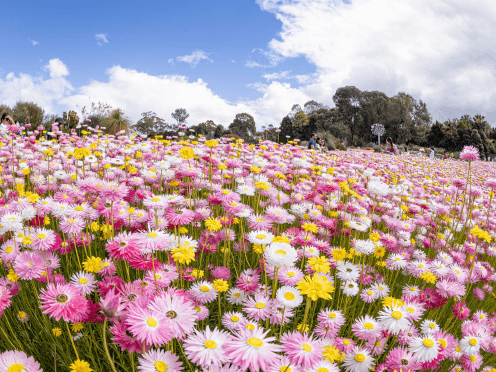
Discover the fascinating story behind Sydney's biggest paper daisy display and why these remarkable native flowers captivate visitors every year at Australian Botanic Garden Mount Annan.
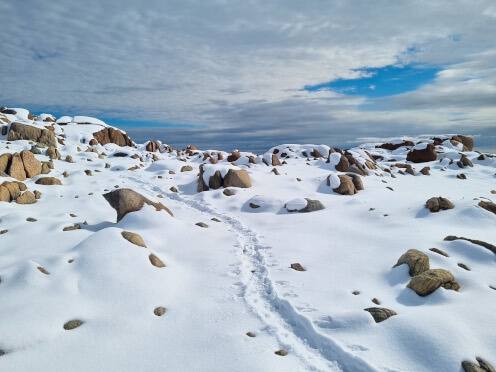
In Antarctica’s frozen deserts, scientists are uncovering extraordinary fungi that survive where almost nothing else can, writes Professor Brett Summerell AM, Chief Scientist and Director Science, Education and Conservation.
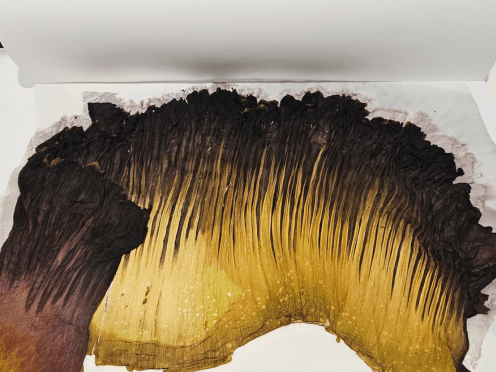
Come behind the scenes on a botanical journey to preserve the first ever corpse flower in the National Herbarium of New South Wales.