Winter Walk Highlights at Royal Botanic Garden Sydney
This winter, get out into the crisp, cool air and enjoy some stunning sights you can only see during this special time of year.

This winter, we invite you to embrace the season. Rug up, don your thick socks, and get outside. Though the weather may be cold and grey, Royal Botanic Garden Sydney offers a refreshing, revitalising escape.
Here are some of the best spots (and a bonus way) to take in the greenery, yellow leaves, and captivating winter blooms.
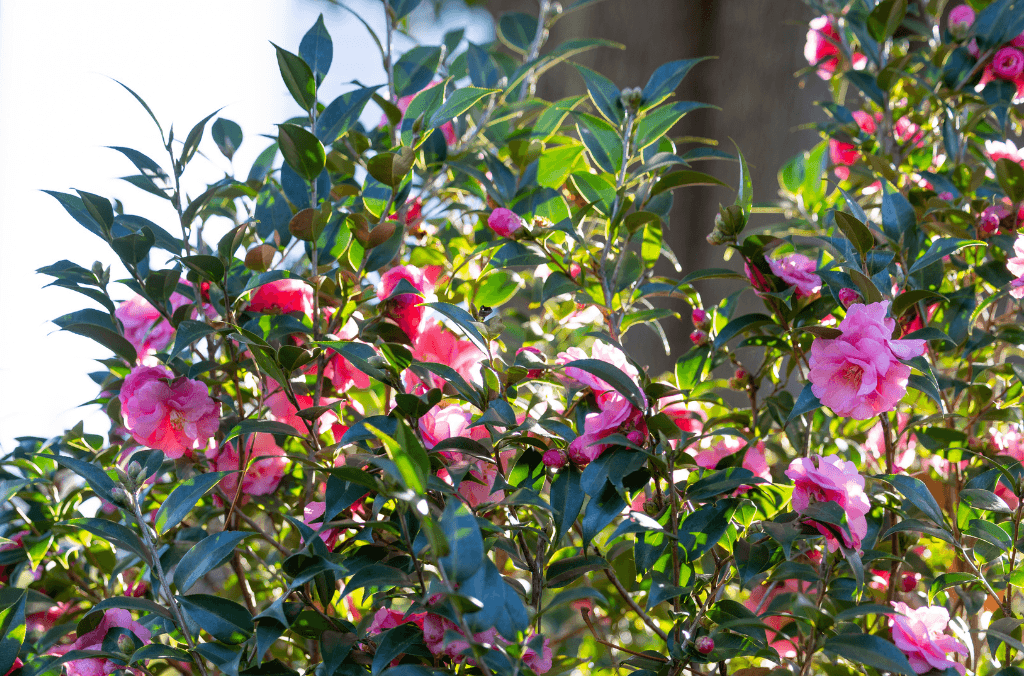
The Camellia Garden, straight down from the Woolloomooloo Gate, comes alive with a riot of colour each winter.
Behold Beautiful Blooms in the Camellia Garden
As the weather cools down, you can rely on Camellias to start putting on a colourful show. Enter via Woolloomooloo Gate across from the Art Gallery of New South Wales and head straight to find the Camellia Garden.
One of the gorgeous flowers you can see here is the pink cup-shaped bloom of the Camellia amplexicaulis, which also uniquely has bright red new leaves and apple-like fruits after flowering. Originally from Vietnam, this species is extinct in the wild but survives in cultivation.
Look out as well for the Golden Camellia, Camellia nitidissima, which you’ll recognise by its warm yellow flowers, as well as many other colourful and distinctive varieties.
Camellias were first introduced to this botanic garden in 1823, and Australia has long been an important centre for Camellia breeding, meaning that there’ll be plenty of blooms to brighten your day here across all the cooler months.
Did you know: There’s probably some Camellia in your house right now. Camellia sinensis is the plant we have to thank for many forms of tea from including black, green, white and oolong.
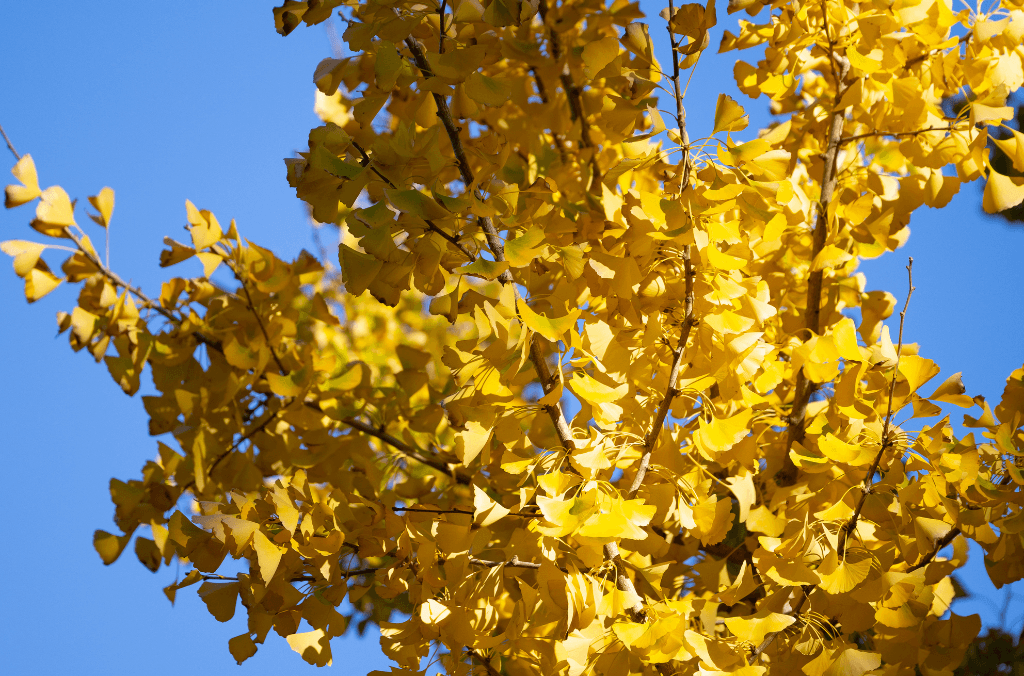
Look out for the leaves of the Ginkgo biloba in Royal Botanic Garden Sydney turning a spectacular yellow this winter.
Discover the Ginkgo's Golden Glow
The Camellias surround a lawn where you can also spot the majestic Ginkgo biloba, opposite Rathborne Lodge. Its common name is the Maidenhair Tree as its leaves are similar to those of the Maidenhair Fern. Its distinctive fan-shaped leaves might strike you as a bit like butterflies with their wings open.
In late June you'll want to get in quick as the Ginkgo's leaves turn a beautiful bright buttery yellow. They soon start to fall in the wind, creating a vibrant glowing carpet on the ground. The whole spectacle of colour can come and go in about two weeks, so if you manage to catch it take your time to experience it.
Ginkgoes are fascinating trees. Ginkgo biloba is the last remaining survivor of an ancient order of Gingoaleas, seed bearing plants around 270 million years old, which means Ginkgoes both predated and outlived the dinosaurs. These plants are famous for their longevity, with many examples of planted and wild trees thought to be over a thousand years old and the oldest recorded specimen dated at 3,500 years old. Both its cooked seeds and leaves have been used in traditional Chinese medicine for hundreds of years for a wide range of conditions, adding yet another layer to its remarkable story.
You’ll find other Ginkgoes in the garden on the walkway near Botanic House and out near the Spring Walk.
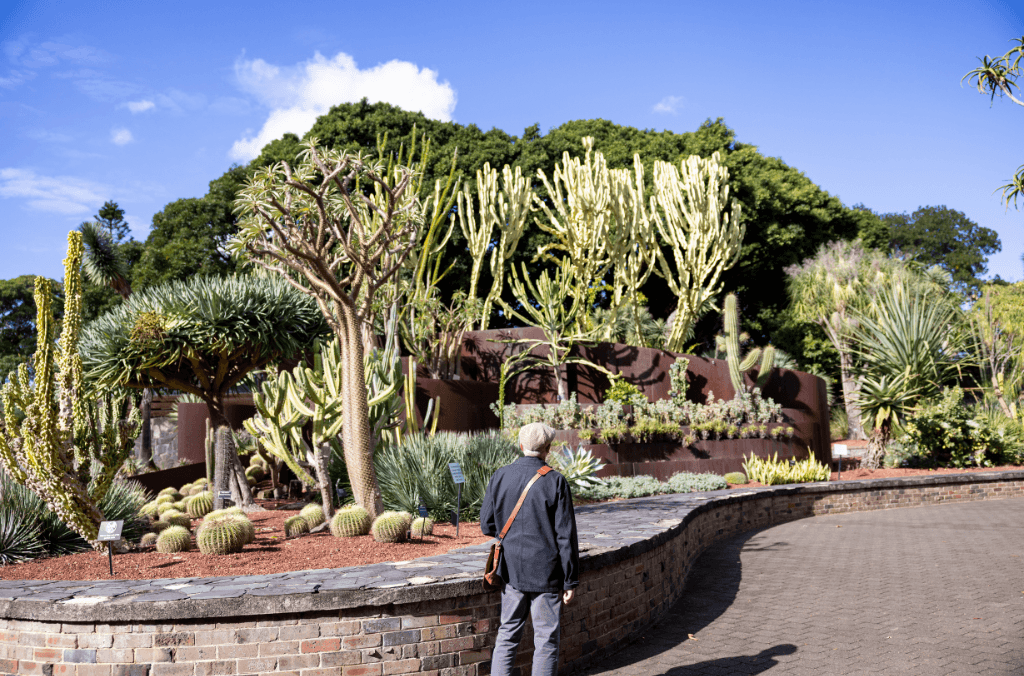
Be transported half a world away in the Succulent Garden.
Step into Another World in the Succulent Garden
Seek out the winter sun in the Succulent Garden, where you'll be transported into a dazzling world of plants shaped by some of the driest environments on earth. Experience the weird and wonderful ways these species from half a world away have adapted, survived and thrived in extremely challenging conditions.
Wander through vibrant zones featuring Africa’s colourful Aloes and spiny Euphorbias, then journey to the Americas to see striking Agaves, towering Joshua trees and giant Furcraeas, so slow to bloom they were once called 'century plants'. You’ll also spot true cacti here, including the iconic Golden Barrel cactus.
Bathed in warming sun, the garden glows with bold colours and sculptural forms. You’re invited to slow down, soak up the beauty and marvel at the ingenuity of these spiky species. Look closely and you might spot the seed pods and flowers, which birds like to visit for sips of nectar.
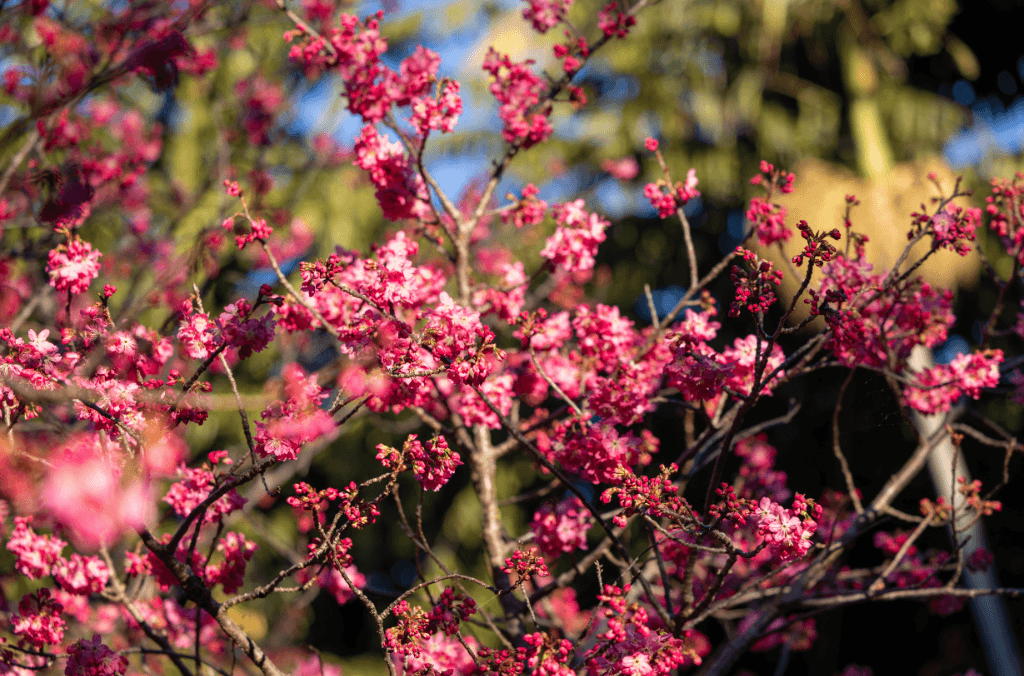
Enjoy the radiant, transient beauty of cherry blossoms in the winter.
Experience the Ephemeral Beauty of Cherry Blossoms
This July, your crisp, bright winter's day can become magical with a visit to the Millennium Cherry trees bursting into bloom. Head to Botanic House/Farm Cove Eatery and continue along the path to the left of the pond to find them.
As the Prunus ‘Yvonne Mathies’ show off their fuchsia coloured petals, it’s a spectacle to behold. These flowers often host lots of buzzing bees and provide a favourite snack for some of our rainbow lorikeets.
These striking trees are hybrids of the Wild Cherry (Prunus avium) and Taiwanese Cherry (Prunus campanulata). They were bred by Graeme Richards at the University of Western Sydney to create a flowering cherry for warm-climate gardens (like ours!) and they’re named after academic, garden historian and nurserywoman Judyth McLeod’s mother Yvonne.
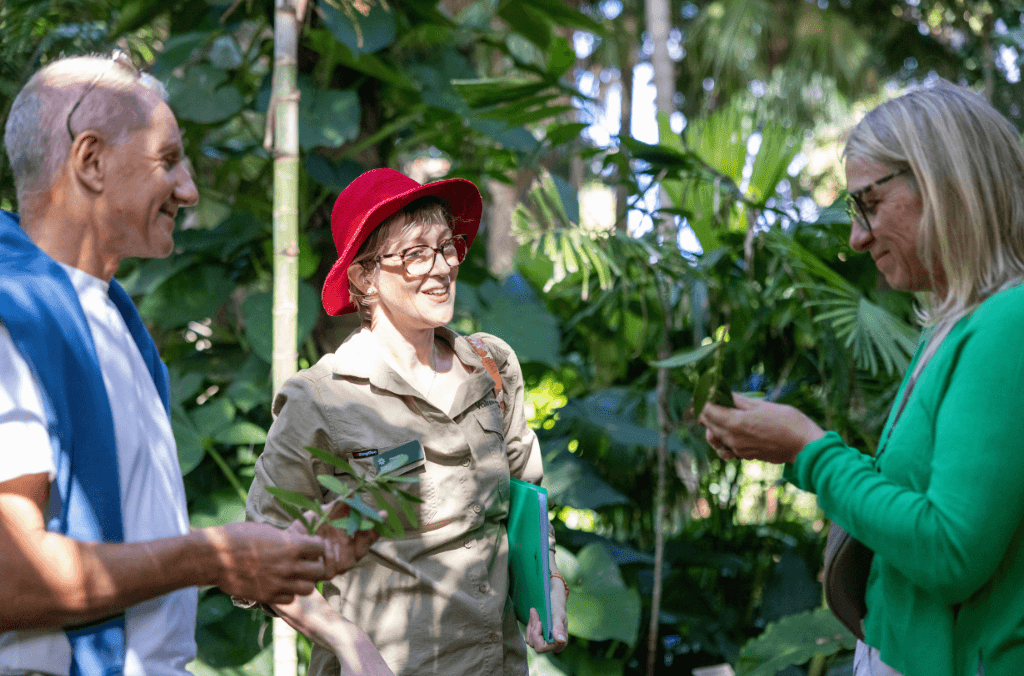
Discover the fascinating stories and secrets of Royal Botanic Garden Sydney and its plants with a guided walk.
Uncover the Hidden History of the Garden with a Guided Walk
Did you know that every day, you can join a guided walk of Royal Botanic Garden Sydney? They run from 10:30am to 12pm and the price is by donation. You'll be led by a fantastic, knowledgeable and friendly volunteer guide, who'll reveal some of the remarkable history, botany and wildlife of the Garden. Book ahead to secure your spot. It's a lovely way to enrich your visit with all kinds of fascinating secrets and stories of plants and places you might otherwise walk past without a second glance.
Each volunteer guide shapes what they talk about on the tour in relation to their own research, interest and the interests of visitors, so you just might learn something completely new each time you do the walk. It will open your eyes to the vast breadth and depth of stories nestled all throughout the Garden, hiding in plain sight.
Winter feels different in the Gardens
Plan your visit today, or see what's on this season in Royal Botanic Garden Sydney.
The weather may cool, but the garden remains a great place to escape the everyday and feel alive. There's still plenty to see and do here, where you can learn, explore and discover in the quiet beauty of the Gardens this winter.
Related stories
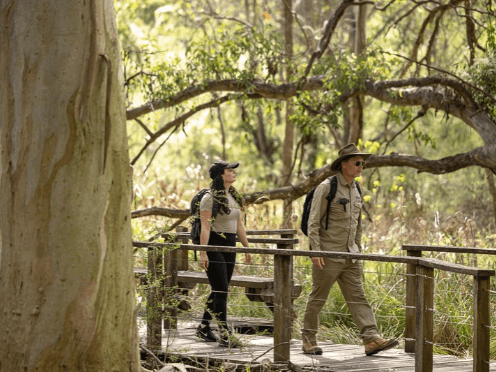
Peaceful walks or challenging trails, discover all the ways to explore Australia’s largest botanic garden.
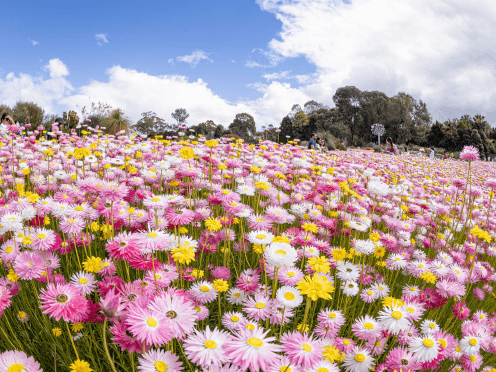
Discover the fascinating story behind Sydney's biggest paper daisy display and why these remarkable native flowers captivate visitors every year at Australian Botanic Garden Mount Annan.

In Antarctica’s frozen deserts, scientists are uncovering extraordinary fungi that survive where almost nothing else can, writes Professor Brett Summerell AM, Chief Scientist and Director Science, Education and Conservation.