Flow Trail
A story of water and how it connects us all.
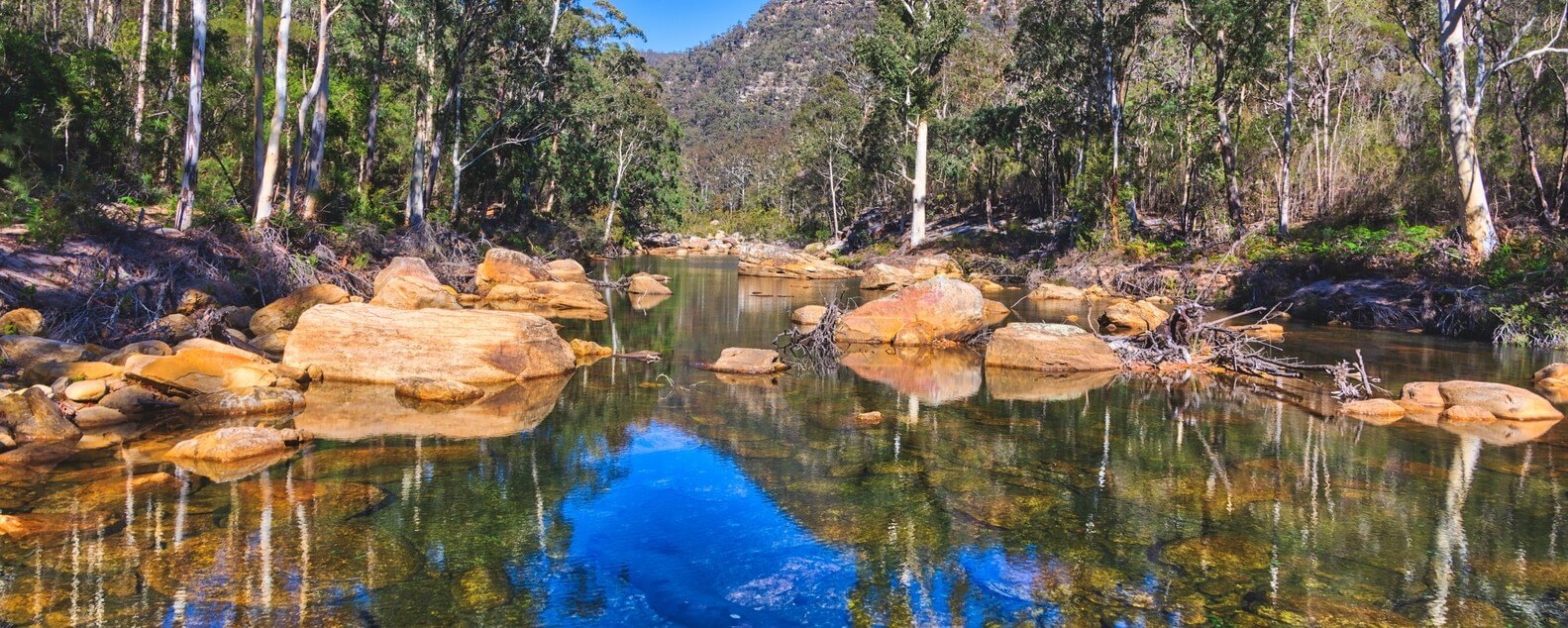
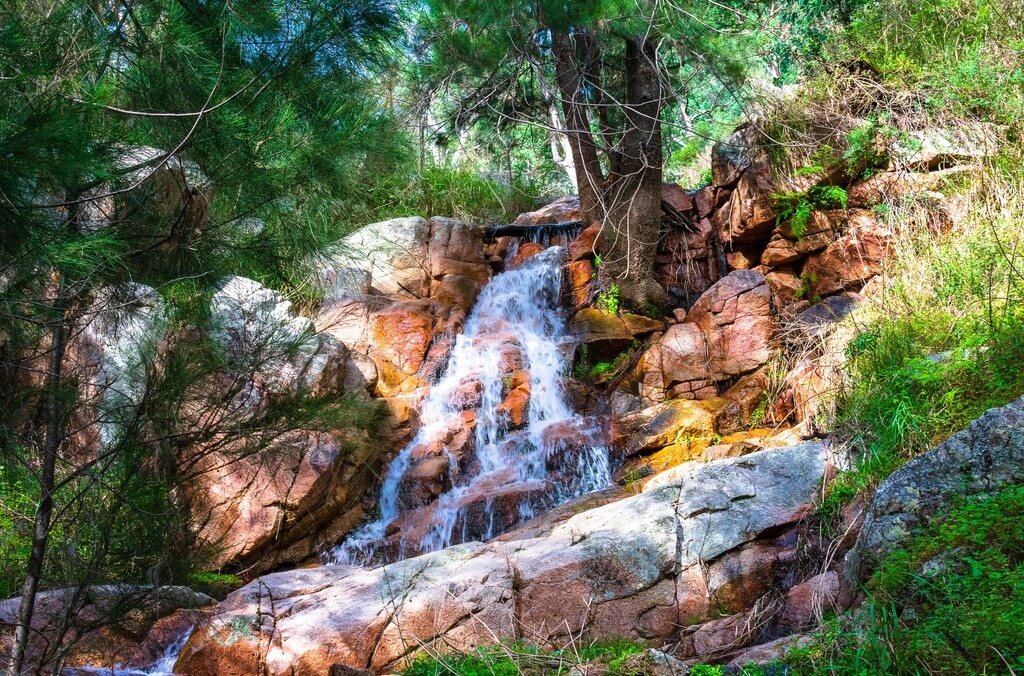
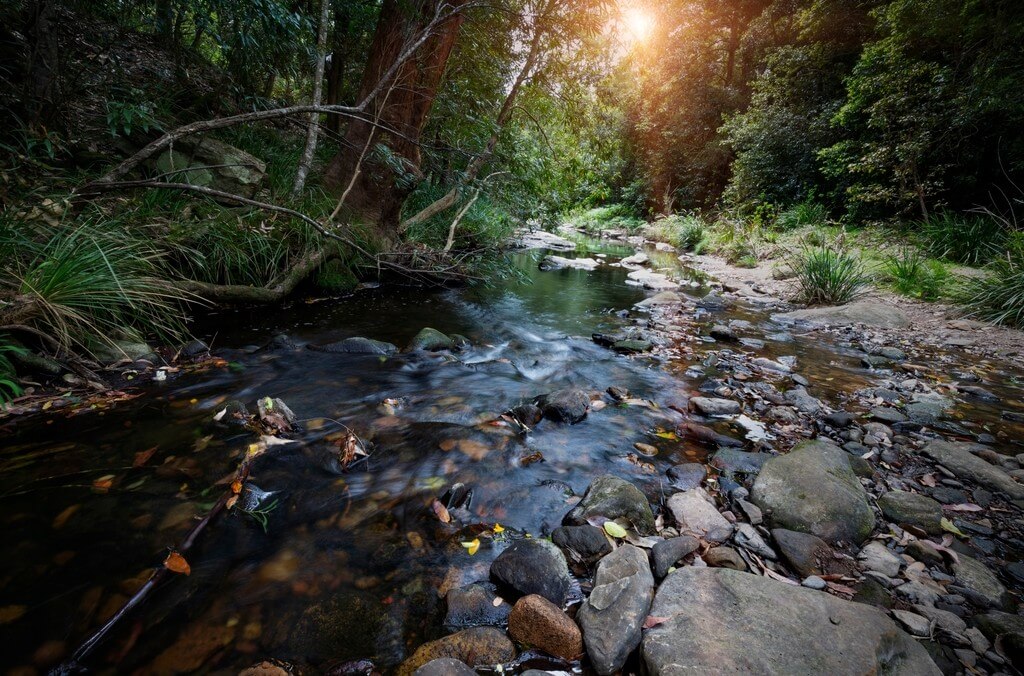
More than meets the eye
Creeks are much more important than they might look at first glance. Creeks are a BIG deal in nature, playing a vital role in sustaining healthy communities, ecosystems, and provide connections to bigger water systems across landscapes for people, plants and wildlife.
Disruption & Obstruction...Urban expansion, and other built structures have significantly disrupted the natural flow cycles of creeks.
Mini Beast Menagerie
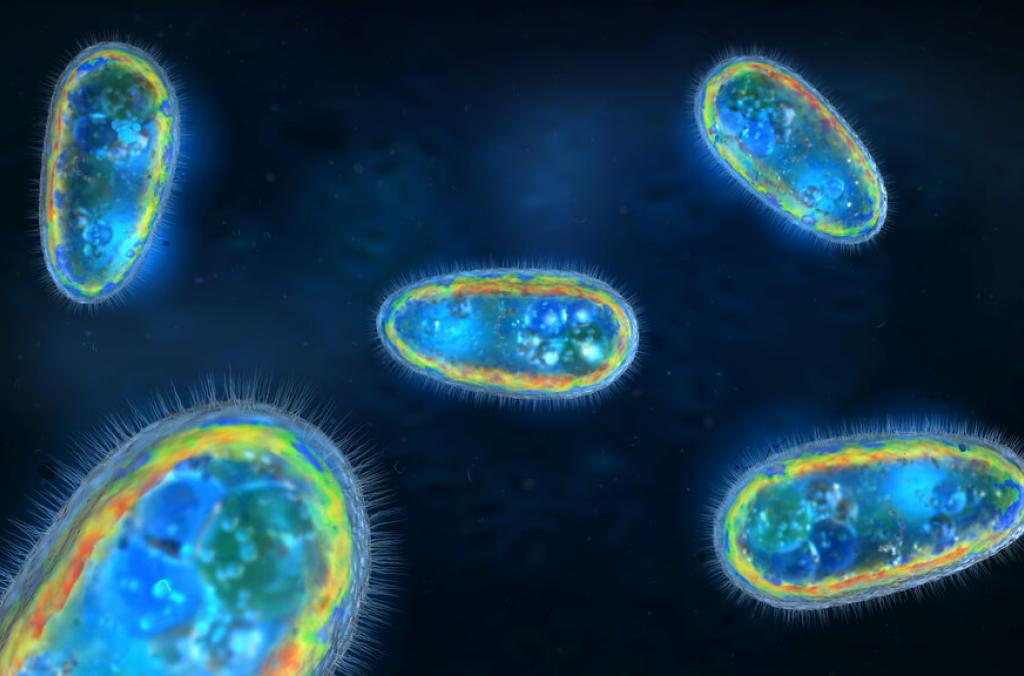
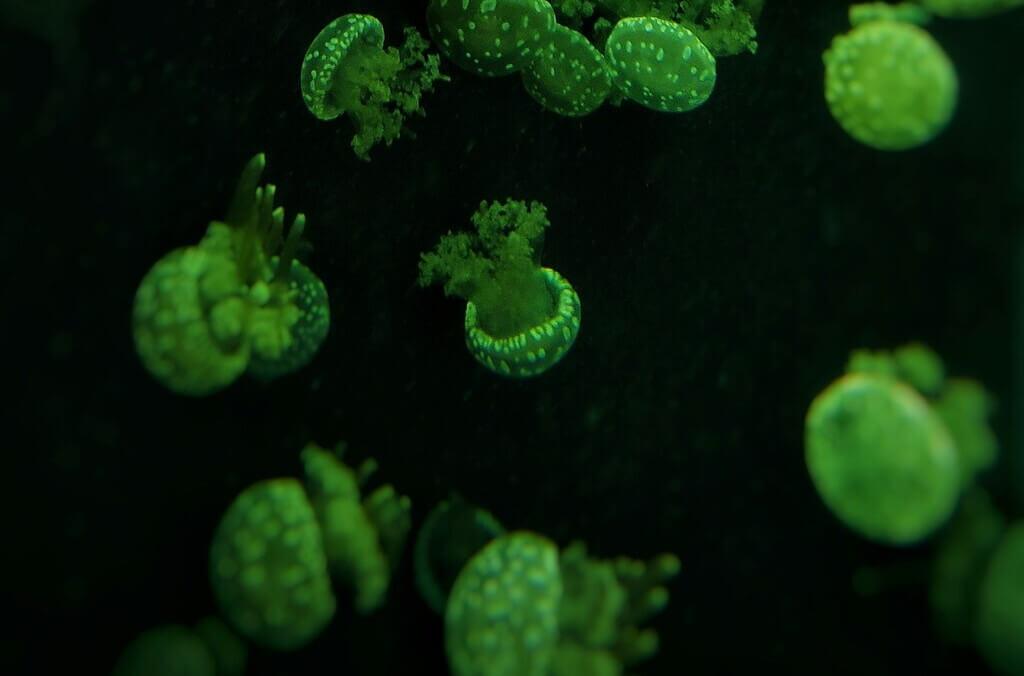
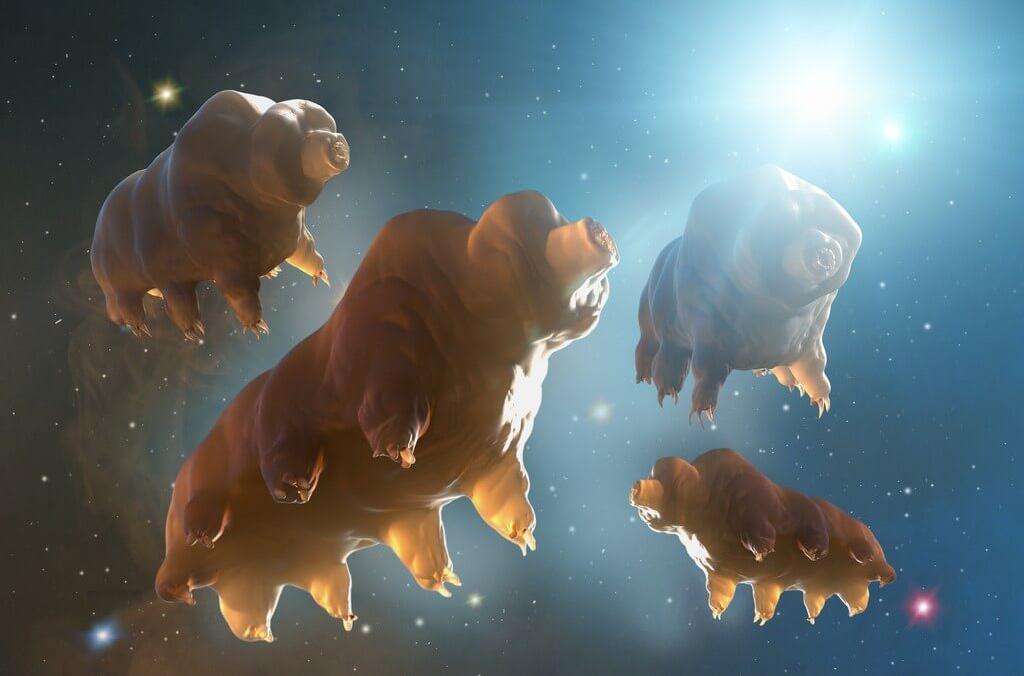
As water runs, fills, and puddles along the creek, there is a jungle of fascinating microbial mini beast menagerie that exists.
In every drop of water and handful of soil and silt, there are thousands of microorganisms living out their lives and making ours possible.
Microbes recycle nutrients, purify water, and build healthy soils. Out of an estimated trillion species, 99.9% are still a mystery to science.
How long ago? Life began in water 3000 million years ago!
The Ripple Effect... There's a Catch
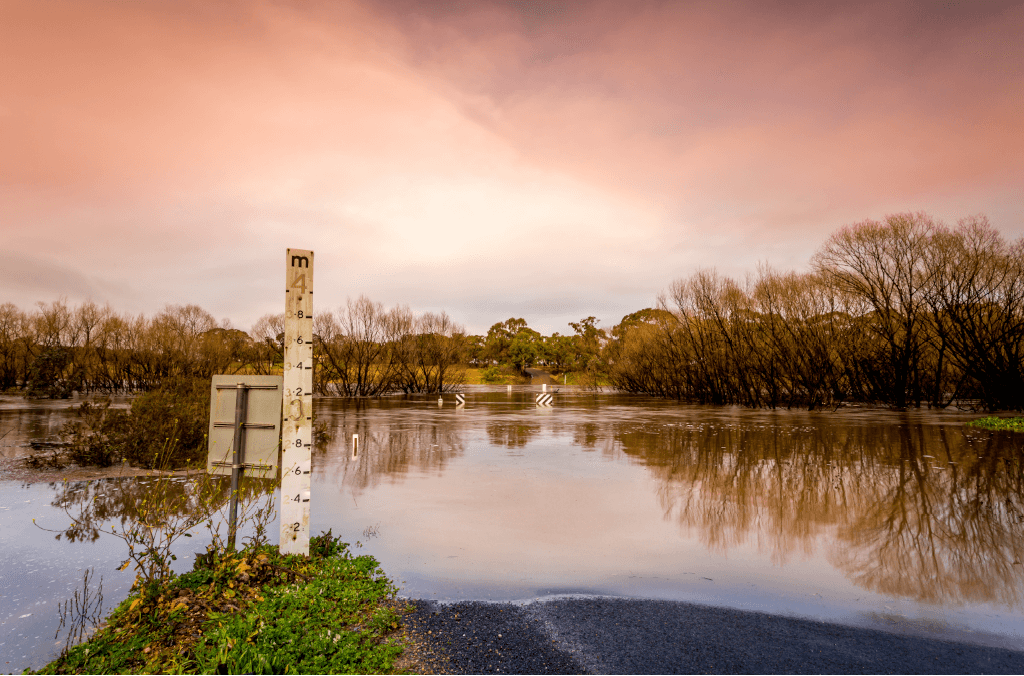
A catchment is an area where water is collected by the natural landscape. Gravity causes all rain and runoff within the catchment to flow downhill, eventually pooling in creeks, rivers, lakes, or the ocean.
Humans have a HUGE impact on the health of our water catchments. Activities like farming and agriculture, the climate crisis, mining, construction and habitat loss all influence water movement and water quality.
Go with the flow...Good water flow means the system is biologically and geologically alive and healthy.
Keeping it Cool Naturally
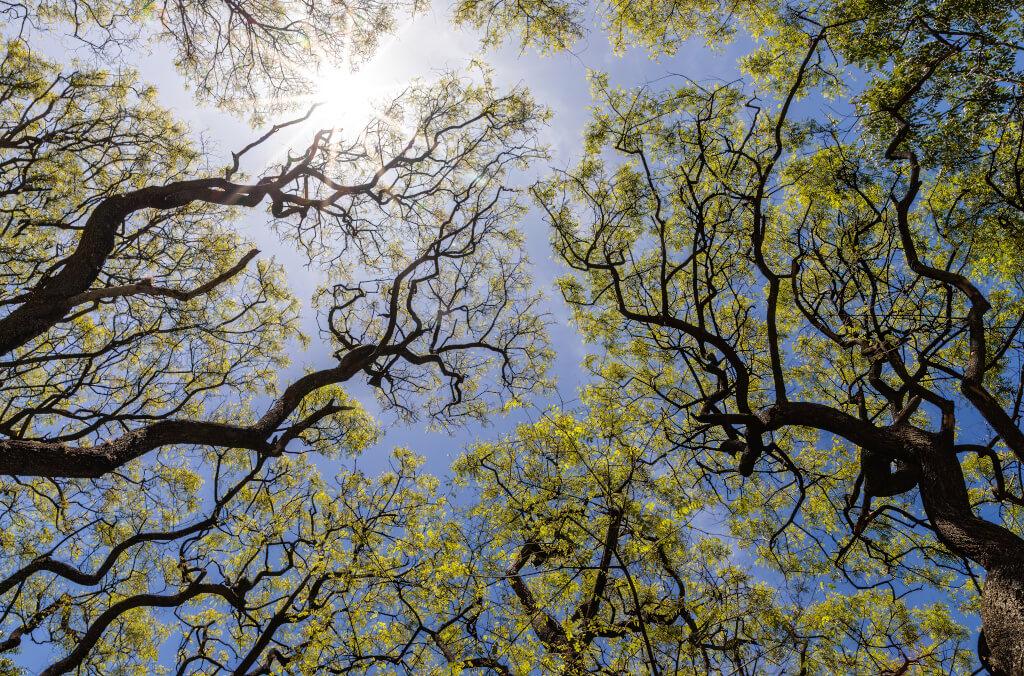
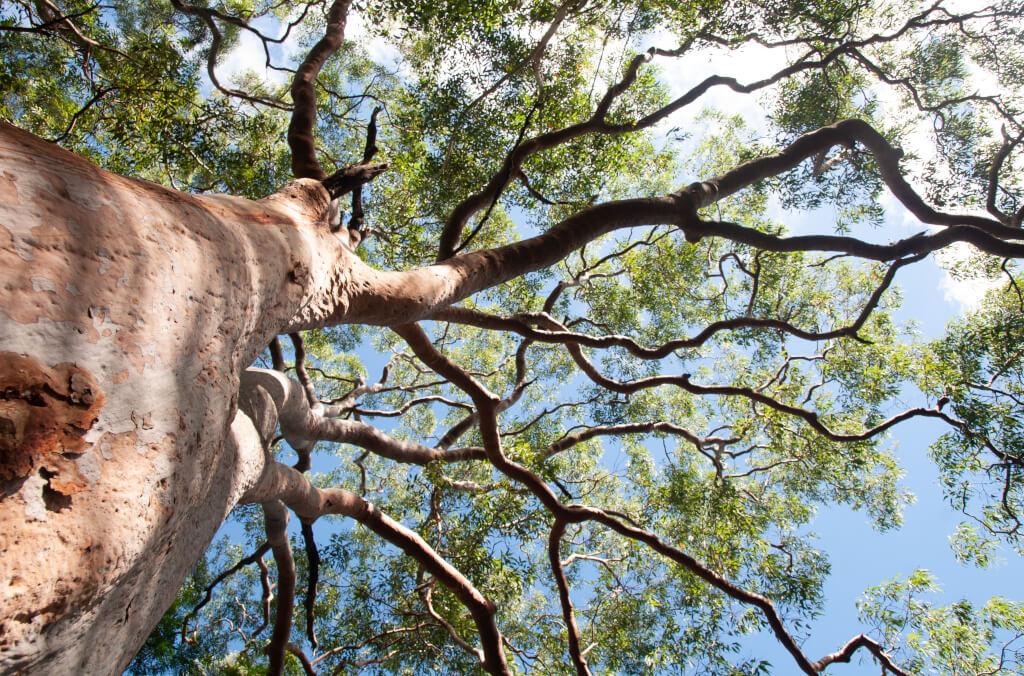
Shade trees are a valuable asset and play a crucial role in keeping our urban communities cool. With expanding metropolitan cities becoming urban heat islands [UHI], experiencing higher temperatures in the summer months, trees are at the root of sustainable solutions to keep things cool.
But how can we keep our urban treescapes thriving as heat rises and water becomes scarce? Recycled water might just be the answer. Recycled water is a climate independent source of water that help strengthen our resilience on a large scale.
Trees can cool homes by up to 6 degrees Celsius during warm weather.
Beacons of Beauty
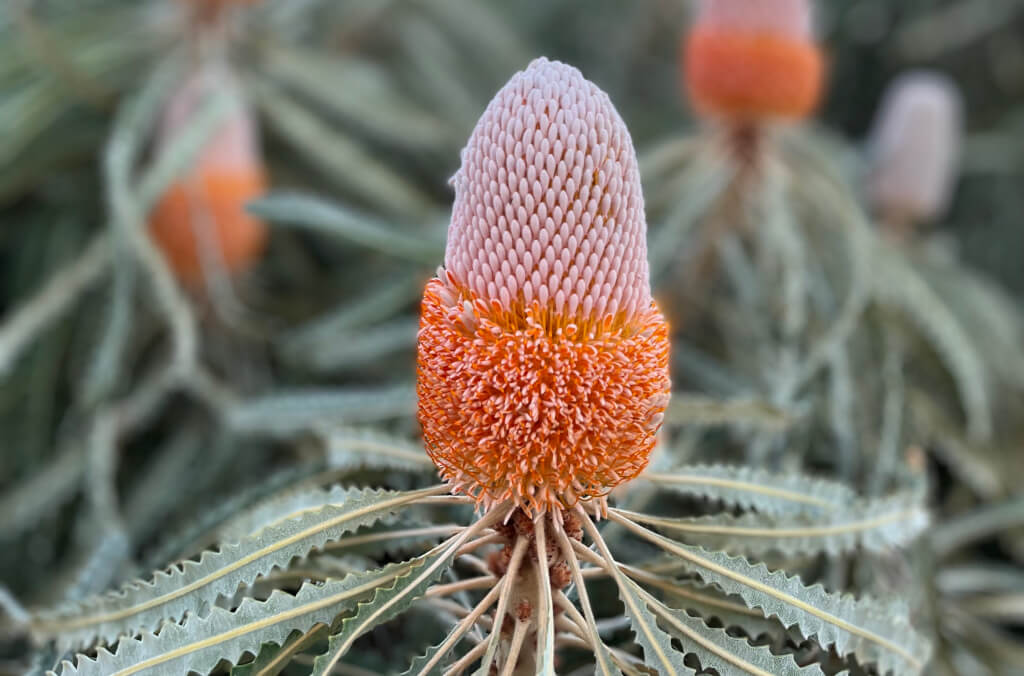
One of Australia’s most iconic plants, the banksia, and its ability to adapt, survive and thrive is a result of millions of years of evolution. With their spiky eccentric blooms and tough leathery leaves, the banksia is a symbol of resilience and beauty across Australia’s harsh and thirsty ecosystems.
Fossil records indicate that banksias have been growing in Australia for 60 million years.
How many? There are 173 species of banksia in Australia.
Bursting with Life
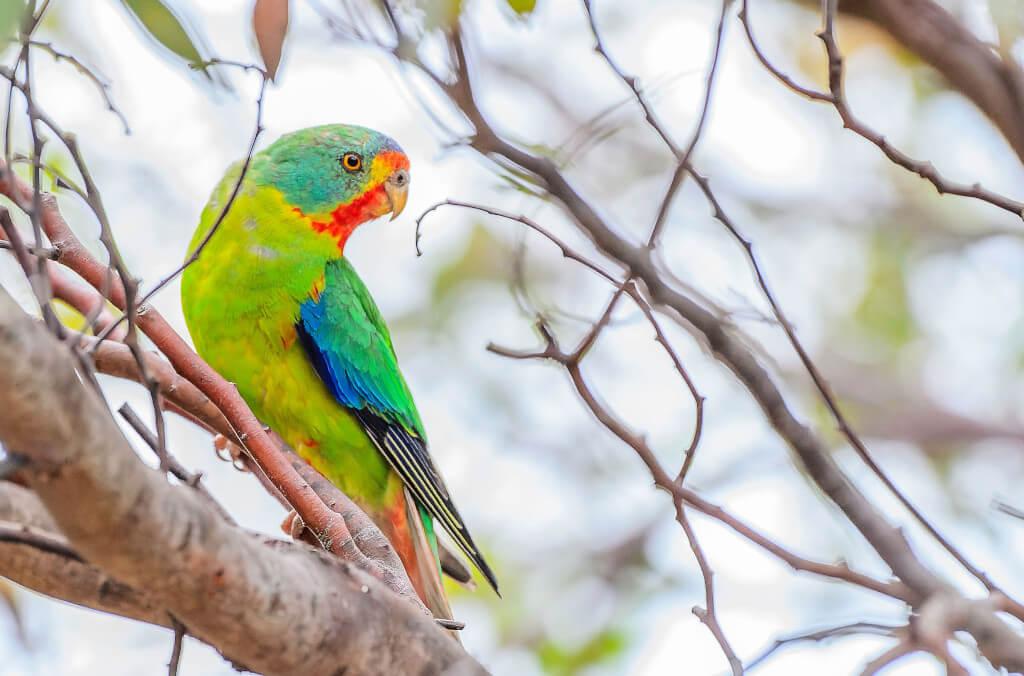
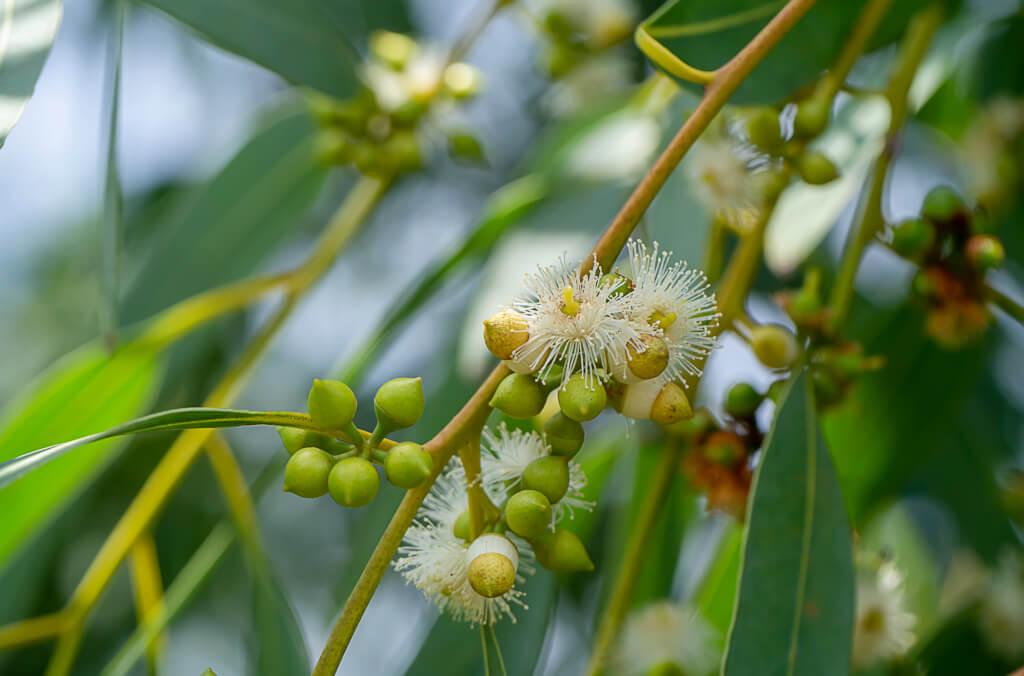
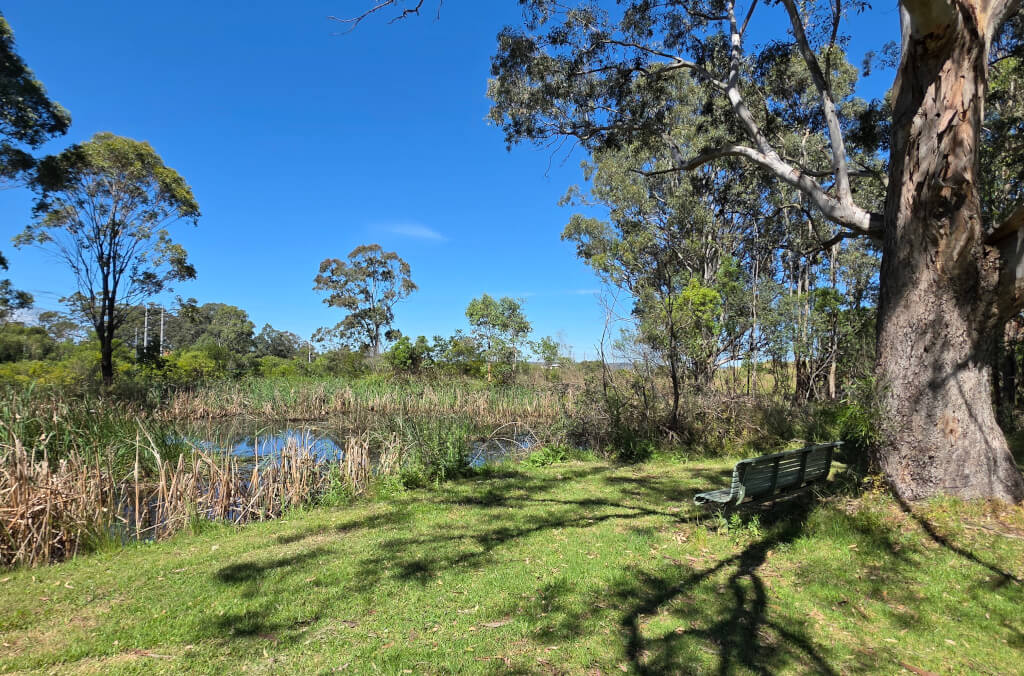
This small waterhole rises and falls with seasonal rain. During the autumn and winter months, it transforms into a protected haven of life and a critical lifeline for the migratory journey of the extraordinary Swift Parrot.
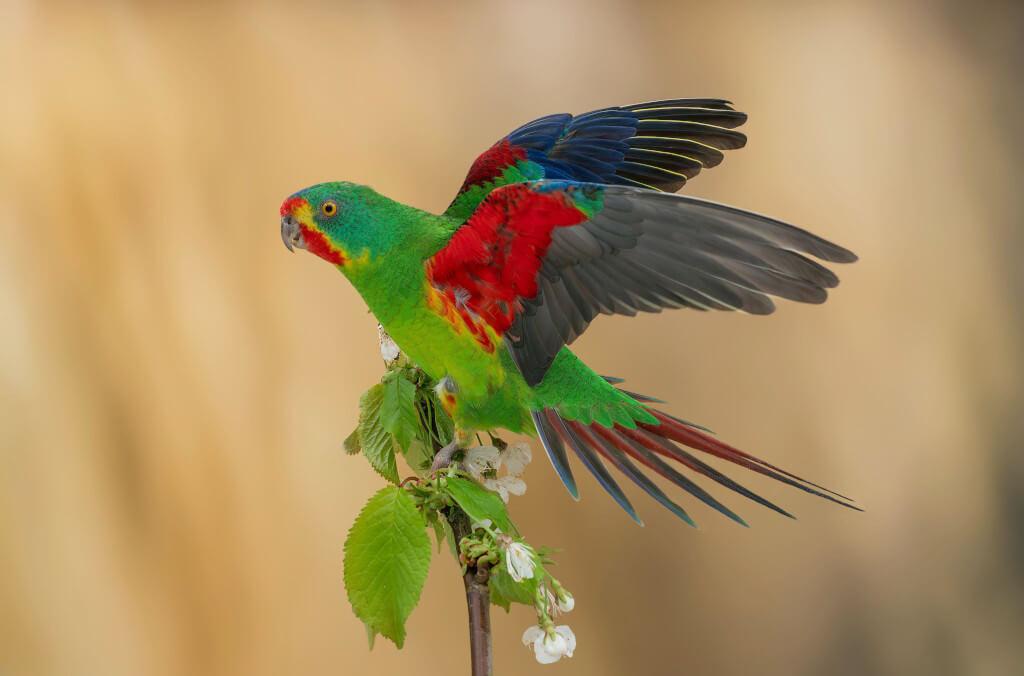
This noisy, speedy, picky parrot is driven by food and navigates unpredictable winds and weather over open oceans.
In April, the Swift Parrot flies more than 1500km from Tasmania to Australian Botanic Garden at Mount Annan, looking for winter blossoms and fruit trees.
Critically Endangered... With <750 Swift Parrots in the wild, it is one of Australia’s most endangered birds.
Nature Taking Over
The Broadleaf Cumbungi (Typha orientalis) that you can see filling up this waterhole found its way here…naturally. This dam was once built as a water source for grazing dairy cows, but when the land was allocated to become a botanic garden, the cumbungi moved in. It has been working hard ever since, cleaning up the water one filtration reed at a time.
Did someone say ecological superpowers? Typha orientalisis is a resilient and persistent bulrush that can filter pollutants and metals from the water.
For Another Day
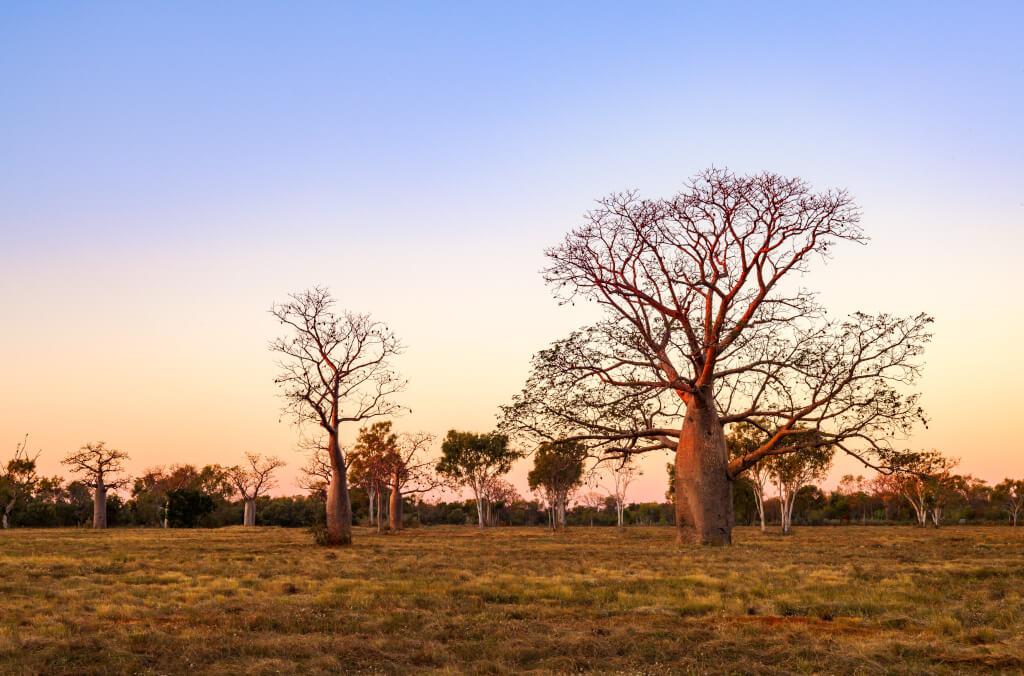
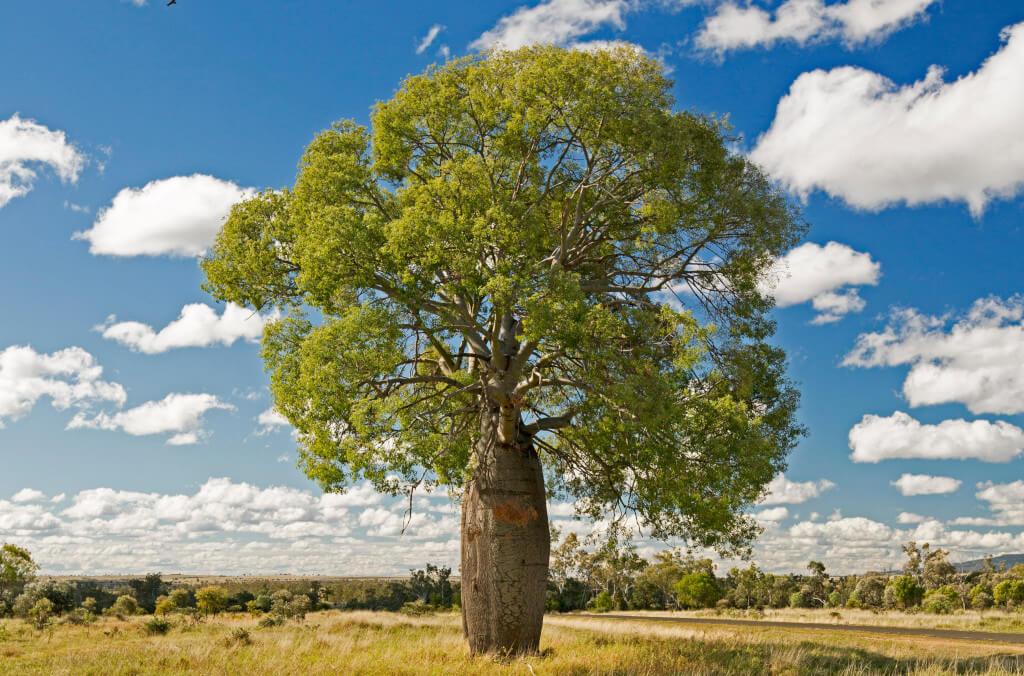
With intriguing, unique adaptations for survival and striking a dramatic pose in the distance of any landscape, the Australian Boab Tree (Adansonia gregorii) and the Queensland Bottle Tree ‘Kurrajong’ (Brachychiton rupestris) are two evolutionary marvels. They are also masters of surviving drought.
How much water? The Australian Boab Tree (Adansonia gregorii) can store up to 100,000 litres of water in its mature trunk!
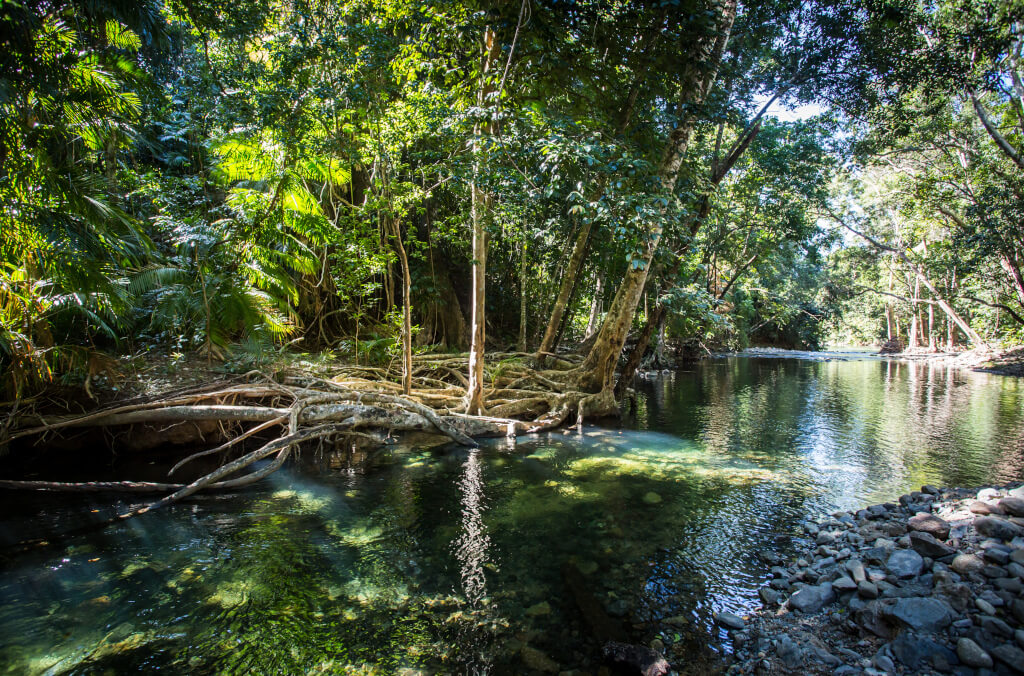
Where the Water is...
The water availability and retention between rainforest and desert ecosystems are literally worlds apart.
Rainforests are just that, forests of rain, where the annual rainfall is more than 2000mm.
The water cycle is FAST and busy like a water rollercoaster.
Be sure to visit our rainforest within the Connections Garden.
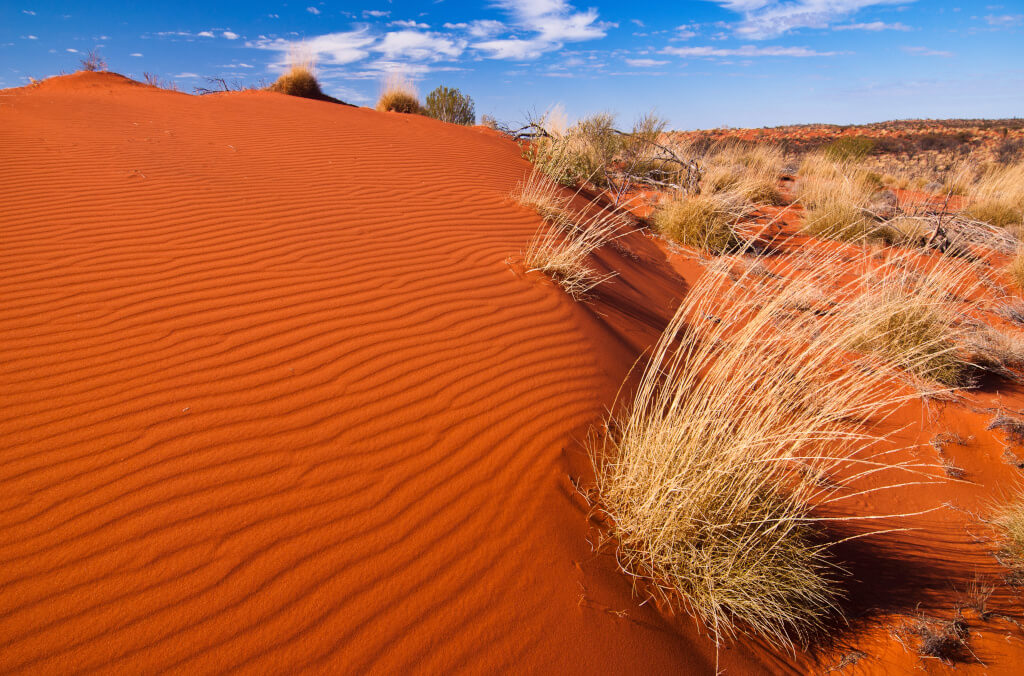
Where the Water Isn’t...
The Australian Desert ecosystem is dry and harsh, with an average yearly rainfall of less than 250mm. The water cycle is slow, and like a water savings bank, every last drop counts because life literally depends on it.
Be sure to visit Burara Ngurada Dry Country.
Discover more
Find out more about the Recycled Water Project underway in the Garden.