Using pesticides safely

We use pesticides on our lands to treat pests, weeds and diseases, and aims to use chemicals in an environmentally responsible way.

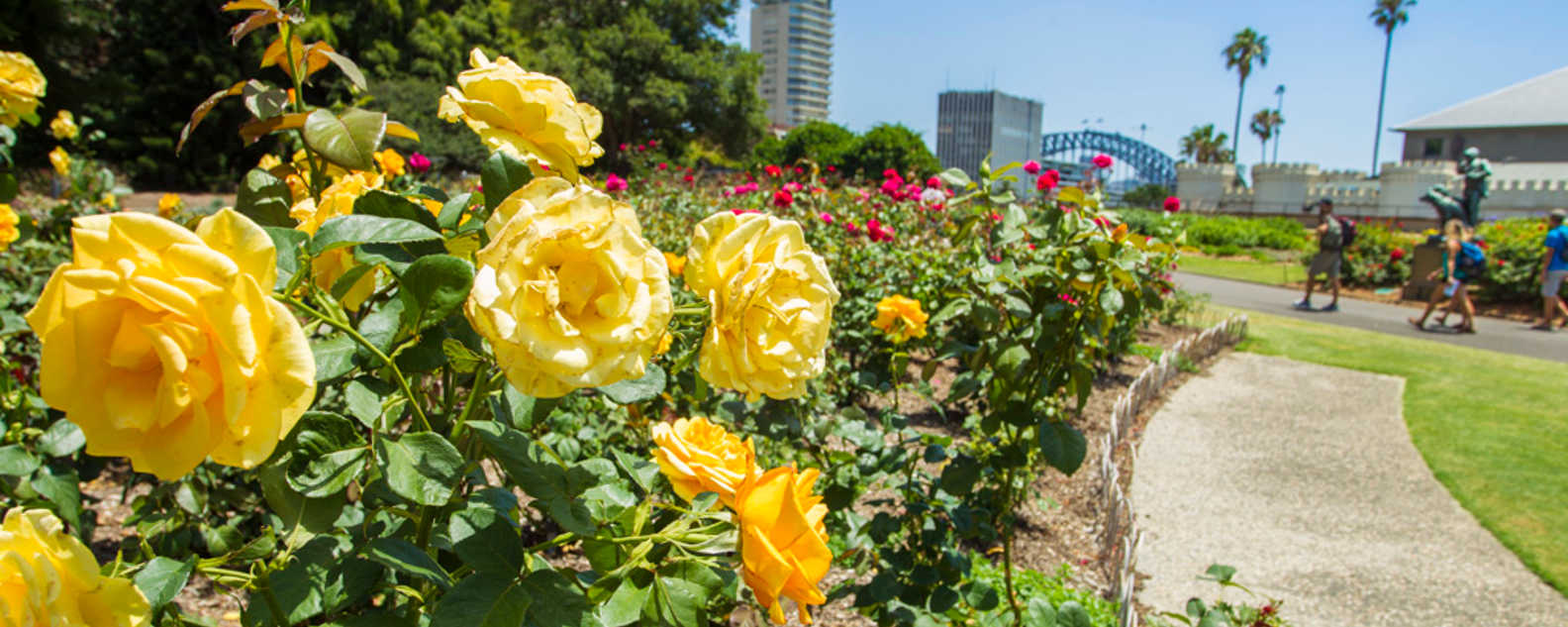
yellow rose garden hero

Pests and diseases are treated following an Integrated Pest Management approach to ensure pesticides are used only when necessary, in an effort to conserve the environment and minimise the potential exposure of visitors to chemicals.

Where possible, cultural practices or biological methods are preferred to the use of chemicals. Chemicals used are of the lowest toxicity possible to deal with the problem and are selected to breakdown without leaving any toxic by-products in the soil or water.

Staff are certified in the application of chemicals and follow stringent Work Health and Safety and site procedures to ensure the maximum effect on the target pest is achieved with minimal impact on the environment.

What are pesticides?

A pesticide is any substance or mixture of substances used to destroy, suppress or alter the life cycle of any pest. A pesticide can be a naturally derived or synthetically produced substance. A pesticide can also be an organism, for example, the bacterium Bacillus thuringiensis which is used to control a number of insect pests, or even a genetically modified crop.

Pesticides include bactericides, baits, fungicides, herbicides, insecticides, lures, rodenticides and repellents. They are used in commercial, domestic, urban and rural environments

Pesticide products used in Australia are regulated by the Australian Pesticides and Veterinary Medicines Authority.

What are pesticides used for in the botanic gardens and the Domain?

There is a range of reasons why pesticides may be used in the botanic gardens and the Domain,

  • control of noxious or harmful weeds
  • control of plant diseases and fungal pathogens
  • termite control
  • ant control
  • rodent control

In some cases emergency pesticide applications in public places are required to deal with biting or dangerous pests such as wasps, bees, venomous spiders, fleas, bird mites or rodents.

Some very persistent weeds, and some insect pests such as nematodes, require treatment with stronger chemicals to ensure they will be eradicated. 

There is a need to balance protecting the environment from exposure to chemicals with the equally important objective of preventing the spread and proliferation of undesirable plant species. 

Pesticide Use Notification Plan

In accordance with the requirements of the NSW Government 's Pesticides Regulation 2017, Botanic Garden of Sydney has developed a Pesticide Use Notification Plan to ensure the community is notified when pesticides are to be used in our gardens.

The Pesticide Use Notification Plan incorporates the following communication components regarding pesticide use in the botanic gardens and the Domain:

1. Prominently displayed temporary signs will be placed at treatment locations before pesticide application begins. Signs will remain in place for the duration of the application and will be removed in accordance with the product label instructions. 


2. Key stakeholders will be notified by email 24 hours prior to the application. Where a pesticide has a specified re-entry period, visitors will be excluded from the treatment area in accordance with product label requirements. 


3. In cases where emergency pesticide applications in public places are required to deal with biting or dangerous pests that pose an immediate health hazard, signage will, where reasonably possible, be placed in the surrounding area to provide at least a 10 metre buffer between the sign and the treatment area. Where this is not possible, the person applying the pesticide will verbally advise the public at the time of application. 


4. Where certain sites are under lease arrangements, the lessee will be required to notify the public of pesticide use in accordance with the requirements of the Pesticide Use Notification Plan. 
 

The Pesticide Use Notification Plan is reviewed every five (5) years or when circumstances require a review of the Plan.

Download the Pesticide Use Notification Plan here
Further information

For more information about how pesticides work and how their use is managed in NSW, visit the NSW Government's NSW EPA Website.

Related resources

turf tumbnail
Turf management is a scientific process and a perfectly manicured lawn takes time, dedication, and consistency.
Gardening tips
thyme tower thumbnail
You don’t need a large garden to grow the herbs you love - and you don't need to spend a lot of money or buy new things.
Gardening tips
rhipsalis close up thumbnail
There is much to admire about the plant genus Rhipsalis.
Horticulture