Meet an expert Horticulturalist
Senior Horticulturalist, Blue Mountains Botanic Garden
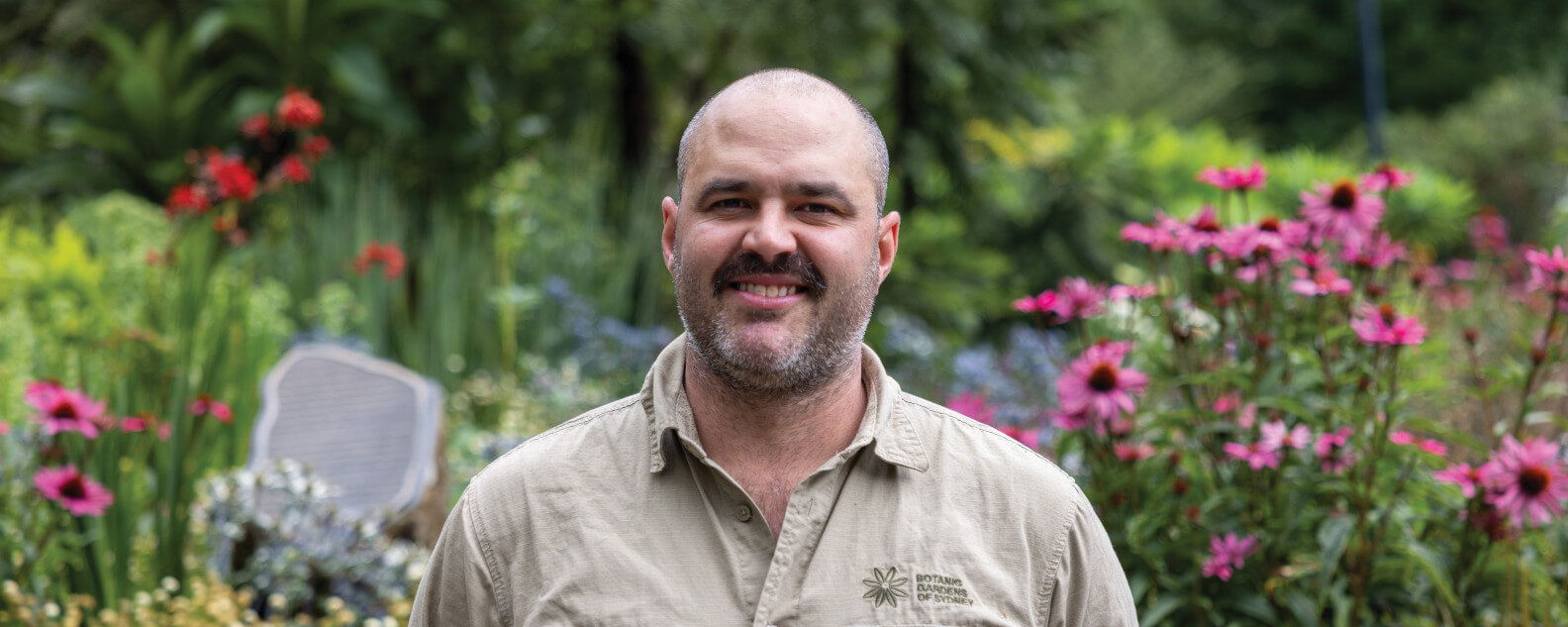
After making the move from the warm coastal waters of Byron Bay to the cool bushland of the Blue Mountains last year, First Nations man Joel Bowmer is thriving in a role that brings together conservation and a deep love of plants. Now a Senior Horticulturist at Blue Mountains Botanic Garden Mount Tomah, Joel oversees ornamental gardens while working to champion Indigenous knowledge, bush foods and the vital conservation work happening behind the scenes.
How did you get started working at the Botanic Gardens?
I started off working in places like Lord Howe Island before moving into a role at a conservation nursery in Byron Bay, where my interest in the conservation side of horticulture really began. When a role came up at Mount Tomah caring for endangered species, I made the move to the Blue Mountains. I started as a horticulturist and progressed to a senior horticulturist role overseeing the ornamental gardens within three months.
It was a bit of a shock at first – especially with summer days where it’s cool enough for a jumper – but I wanted to challenge myself and try something new. The Blue Mountains are beautiful and there’s great hiking here, so I feel very lucky.
Where did your interest in horticulture come from?
Being a First Nations man, caring for Country is a big thing for me, and native plants have become my passion. I’m a bit of a plant nerd and I read about plants all the time. It’s one of those jobs where you can learn forever. There are so many plants out there and so much to know, and I’m just fascinated by it all.
What’s a typical day working at Mount Tomah like?
My focus is keeping my team of seven experts happy and ensuring they have what they need to get the job done. I then essentially act as a second pair of hands and help them in their individual gardens – which include a Gondwanan collection, rhododendron collection and the ninety-year-old redwood that is found in the conifer garden. They’re the experts in what they do, so it’s rewarding being able to support them and learn from them. That was a big part of why I took the job; I wanted to get out of my box of natives and learn from the best.
What’s something about the Botanic Gardens people might not know?
We know botanic gardens are beautiful, but I don’t think people realise there’s also an important conservation element. Most botanic gardens have plants that are the last of their species or hold the largest collection of a species in the world. There’s a lot of hard work happening behind the scenes to conserve these collections for future generations.
You’ve been awarded a Foundation & Friends scholarship. What will that funding allow you to do?
I’m going to Tasmania this year to learn from and culture-share with the Tasmanian mob. I’ve touched base with the Aboriginal Land Council of Tasmania, who are happy to share language and knowledge, and I’ll also be going on a bush food tour to learn about plants that grow at a similar altitude to Mount Tomah. From there, I’d love to develop a bush food or cultural collection together at Mount Tomah. I’ve also spoken with the Darug mob in the Blue Mountains, and they are supportive of me using my own language, Bundjalung, from the Northern Rivers region. There’s a lot of bush food from that area that could work in this climate, and my dream is to create a collection that centres culture rather than focusing solely on endangered species.
Where did your passion for bush food come from?
It’s probably the easiest way for me to connect with culture because before I was a horticulturist, I was a chef. So it was a logical step – I knew how to cook food, but I also wanted to know how to grow it. A big part of Indigenous culture is plants and how they’re used, not only for ceremony and medicine, but also for food.
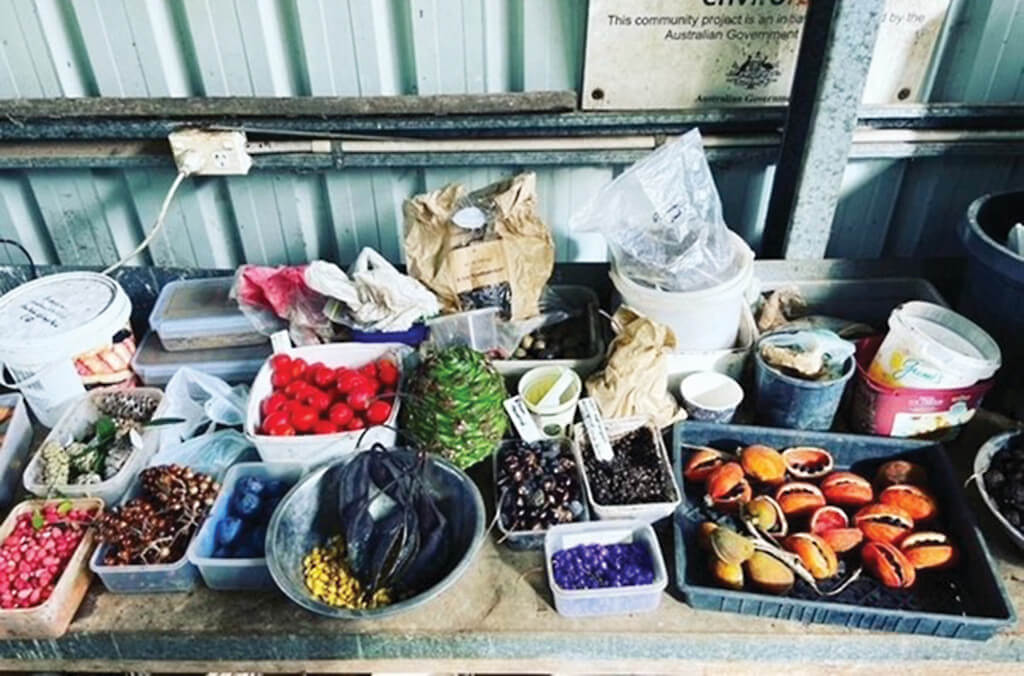
Why is it important for you to share that bush food knowledge with the community?
It’s about having the privilege to speak culture to a wider public – not everyone gets to do that. I also believe that when people talk about healing Country and coming together, one of the best ways to do that is through food. There’s so much scope to share this knowledge, and healing people is part of healing Country, and that’s something I’m really passionate about.
What are your favourite bush foods to cook with?
At home I’ve got jars of dried and frozen ingredients like lemon myrtle, whose leaves can be used in baking. There’s also Davidson plum, which is very tart and commonly used to make jams. I like to dehydrate it and turn it into a powder so it can be incorporated into lots of different recipes.
Do you have a home garden?
I do, but like plumbers with a leaky tap, it doesn’t always get the attention it deserves. I’ve got some sunflowers now that are looking a bit sad because I’m so focused on watering the plants at work that I sometimes forget to give my own garden the love it needs.
This story was originally published in The Gardens, the quarterly magazine of Botanic Gardens of Sydney.
The Gardens is the exclusive magazine for Foundation & Friends members. Join today and receive the next issue delivered direct to your door. Each edition features behind-the-scenes conservation work, cultural stories, and inspiring seasonal gardening highlights.
Enjoy discounts, exclusive events and experiences, and the knowledge that you are part of a passionate community making a difference
Related stories
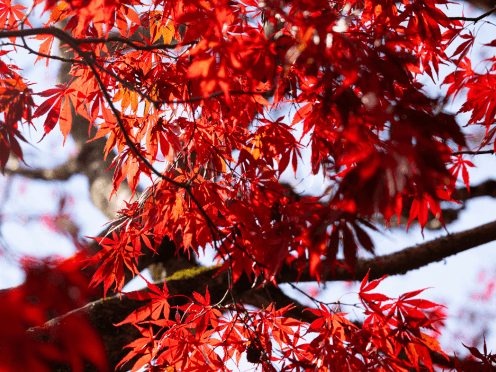
With a dense collection of cool climate trees nestled in amongst UNESCO World Heritage wilderness, the Blue Mountains Botanic Garden Mount Tomah is one of the best places to marvel at nature’s spectacular show of autumn colour.
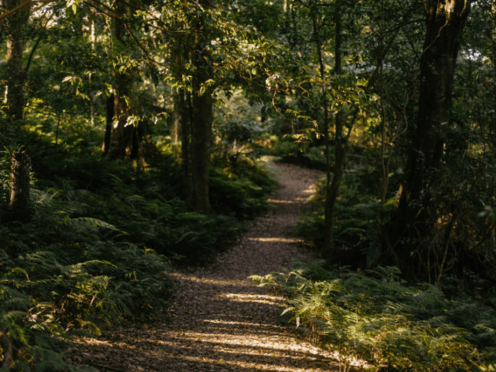
Take the road less travelled and walk through the stunning breadth the garden has to offer.
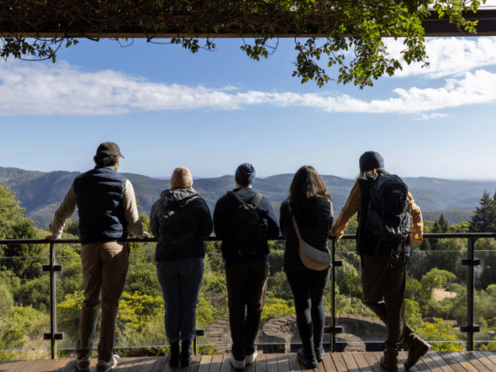
Keen to visit the Blue Mountains Botanic Garden Mount Tomah, but don’t think you have enough time to do it justice? Here are three ways to spend your day.