Water in the World
Students will learn the value of water, how water interacts with its environment and the importance of sustainable management within Botanic Gardens of Sydney sites.
Stage 4
Geography
2 hours
Minimum charges apply. Discounts apply for full day programs!
As students observe, map and document the space, they will gain an understanding of the garden catchment. They observe how natural and human activity affects water systems now and predict how this will change in the future. In small groups they design a storm water harvesting system suitable for an urban environment and propose strategies to manage the catchment for sustainability.
Students will
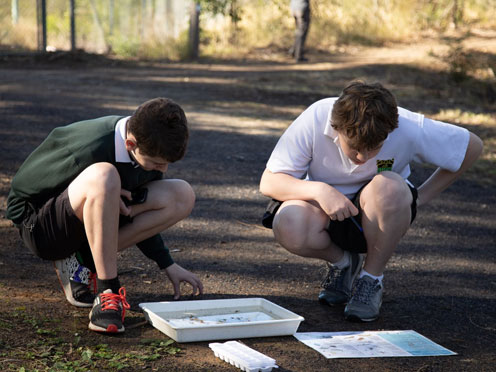
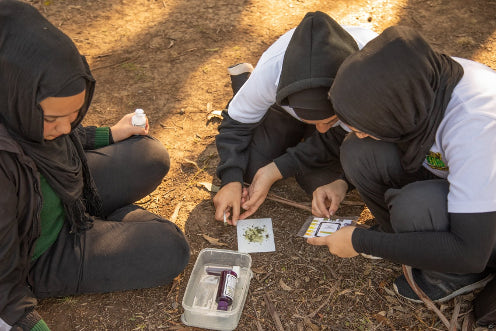
- Students will conduct water quality tests in the Garden and use their data to assess the health of the garden's aquatic ecosystem.
- Students will map water flows, past, present and future shorelines or watercourses and usage of spaces on and adjacent to the water sources to better understand the importance of water in this urban green space.
- Students will use water sensitive urban design principles to create a model of a water harvesting system.
- Students will analyse temperature & rainfall data to better inform a water management plan.
Key content
- Investigate through fieldwork how natural and human processes influence the quality, distribution, and availability of water as a resource.
- Discuss approaches that can be used to sustainably manage water resources and reduce water scarcity.
- Learn about sustainable water management practices in an urban catchment.
Links to New South Wales curriculum
Focus Syllabus Outcomes
Geography
- GE4-DFC-01 locates the diverse features and describes the characteristics of a range of places and environments
- GE4-PRI-01 explains the processes and interactions that change people, places and environments
- GE4-MAN-01 explains the management and protection of places and environments
- GE4-TAP-01 selects and uses geographical tools to acquire and process geographical information
- GE4-COM-01 uses concepts and terminology to communicate geographical information for a range of purposes, audiences and contexts

"Discover the different components of river systems and how natural and human actions affect them."
Related excursions
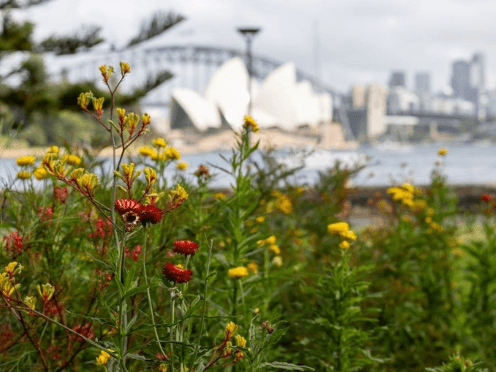
Australia’s Botanical Treasure’s is an immersive, science program designed for international student groups seeking a science focussed exploration of Australia’s unique flora and ecosystems.
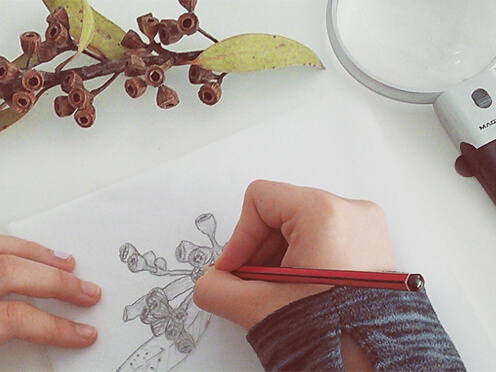
Students explore the Botanic Gardens and experience art through the wonders of nature.
Learn about the ecology of the protected, remnant environments.